El Vergel means "the orchard", and for its first ten years the name was literal.
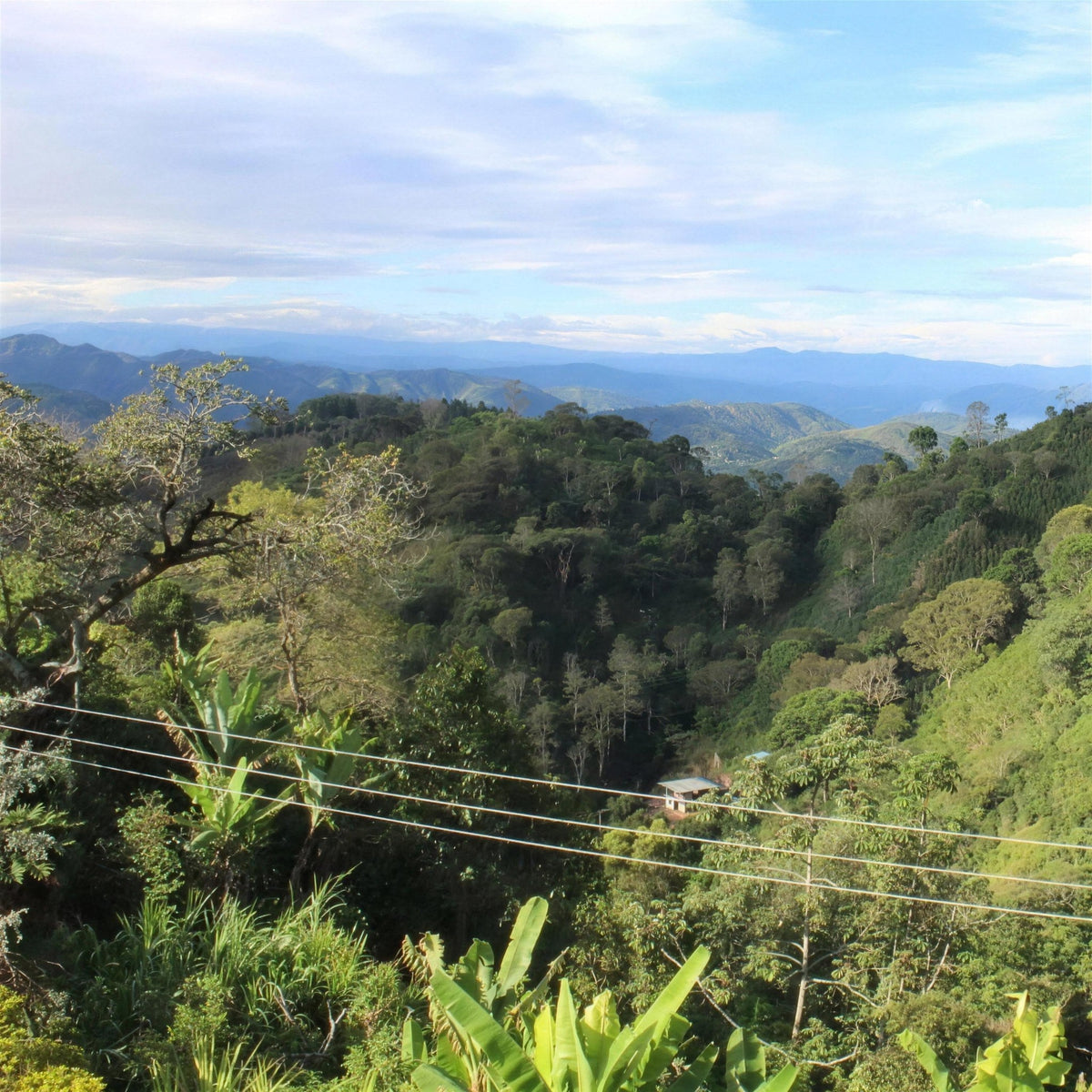
In 1995 the Bayter family planted avocados on their land outside Fresno, in the hills of northern Tolima, and built it into one of the most productive avocado farms in Colombia. Then, in 2006, disease swept through the trees and the price collapsed with them.
The family could have sold. Instead Martha, mother of Elías and Shady, began replanting the orchard in coffee: Catimor first, then red and yellow Caturra, pushing well past what she knew at the time.


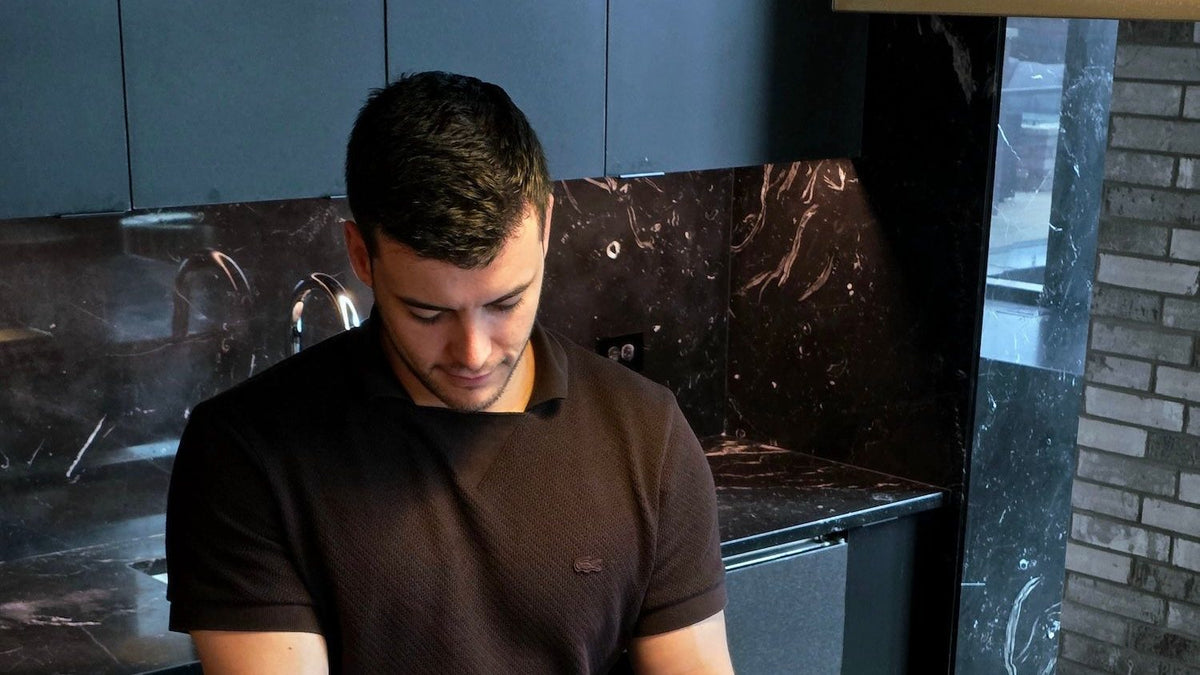
Her sons, Elías and Shady, grew up inside that decision. They taught themselves to pulp and ferment, learned the equipment from Nelson Moya, a coffee enthusiast who became a mentor, and in 2016, guided by the variety specialist Miguel Jiménez, planted the farm's first rare varieties: Geisha, Java, Pacamara, Red Bourbon. The first harvest of those trees in 2017 was the moment El Vergel stopped being an avocado farm that grew coffee and became a coffee farm.
A farm cut into small pieces
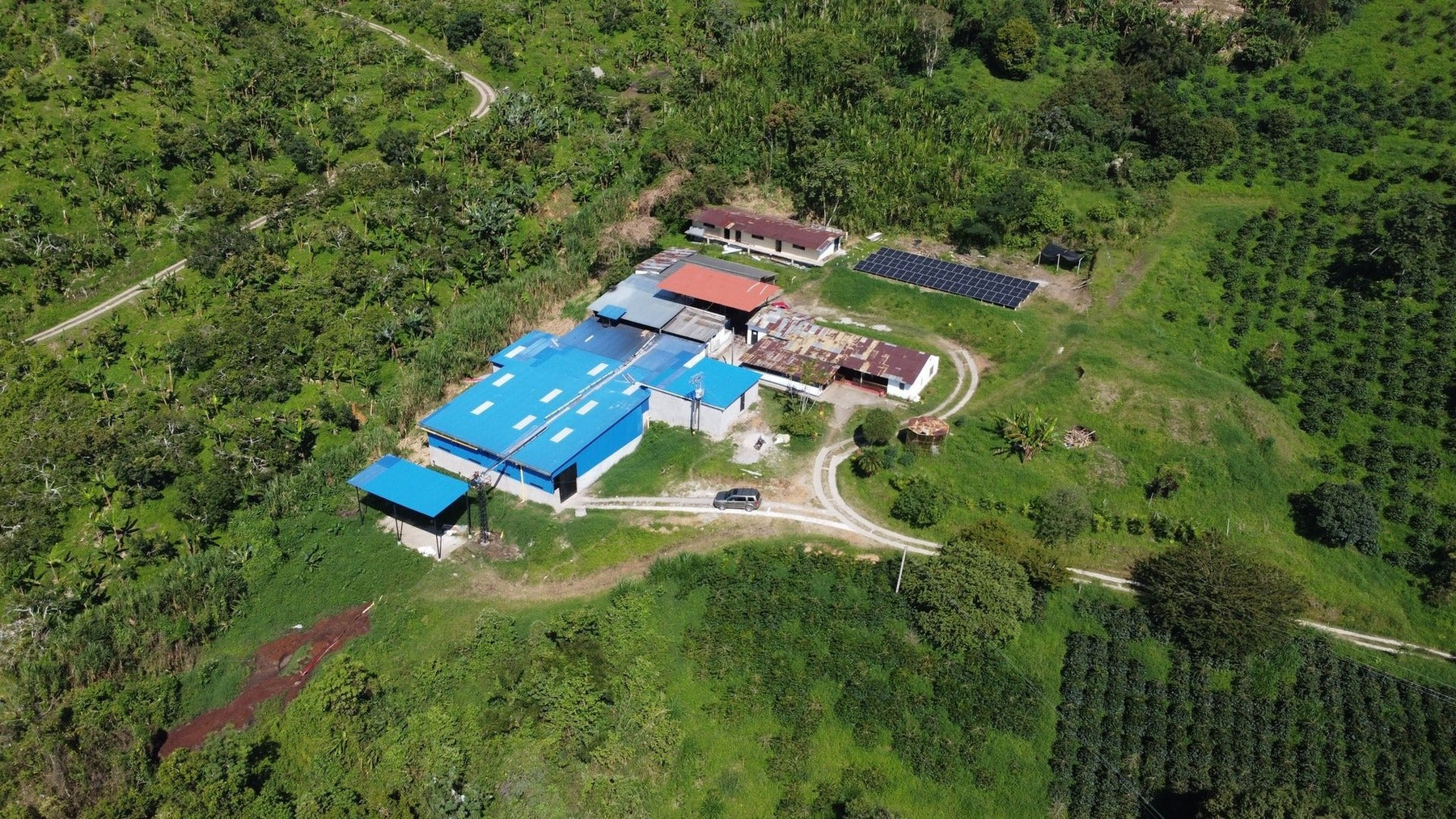
Today El Vergel covers about 300 hectares, roughly a third of it in coffee, divided into small plots by altitude and microclimate so that each variety grows where it does best. More than 28 varieties grow across the estate.
The way they farm has changed as much as what they grow. In their commodity years, the brothers have explained, they needed around 10,000 trees a hectare in full sun to make a living. Specialty coffee lets them earn about the same from 2,500 trees grown in shade. Native shade trees have gone back into the hills, and every parcel is fermented and dried under its own label.

From one farm to 250 families
In 2019 the family founded Forest Coffee, so they could sell their coffee abroad under their own name, and their neighbours' too. Today Forest works with around 250 coffee-growing families across four projects. What they wanted, as Shady puts it, was simple: that someone far away could drink coffee from a single farm and know exactly who grew it.
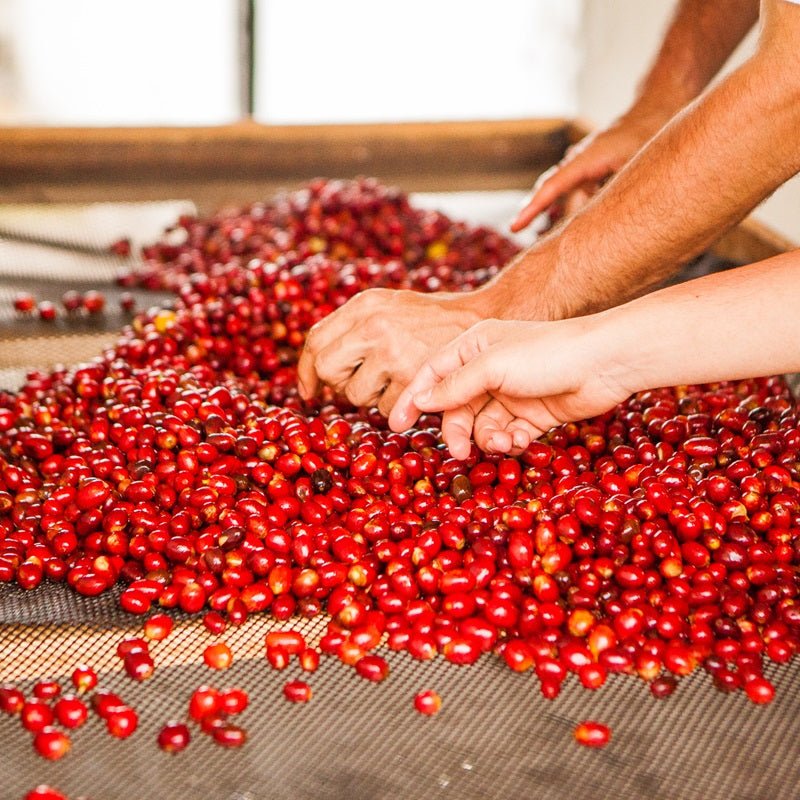
One of those projects is the Reforest Project, a group of about sixty smallholder families in northern Tolima and southern Caldas who grow under native shade. Their cherry comes down to El Vergel to be fermented and dried, with the same care as the estate's own.

The coffees we buy from them
Papayo Jungle comes from El Vergel. Papayo is a rare Colombian variety, named for its long, papaya-shaped cherries. Few farms grow it, and it is one of the varieties seen most often among Colombia's top competition lots. Here it spends four hours in the open air, then ninety-six hours sealed in tanks, before a slow dry. In the cup: strawberry, mango, chocolate and pineapple. Ripe tropical fruit, sweet as nectar.
Natural Guamo is the Reforest Project's coffee, processed at El Vergel. Cocoa, cherry, blueberry and green apple: it tastes like coffee first, then dark fruit.
The fruit in those cups isn't luck. It comes from a family that lost an orchard, started again with a crop they barely knew, and decided to control every step they could.
Colombia Papayo Jungle · 96h Anaerobic Natural: strawberry, mango, chocolate, pineapple.
Colombia Natural Guamo · 36+96h Anaerobic Natural: cocoa, cherry, blueberry, green apple.