Walk down most specialty coffee shelves and you'll find Ethiopia, Colombia, Kenya, Guatemala. You won't find Uganda. That's the shelf's mistake, not Uganda's.
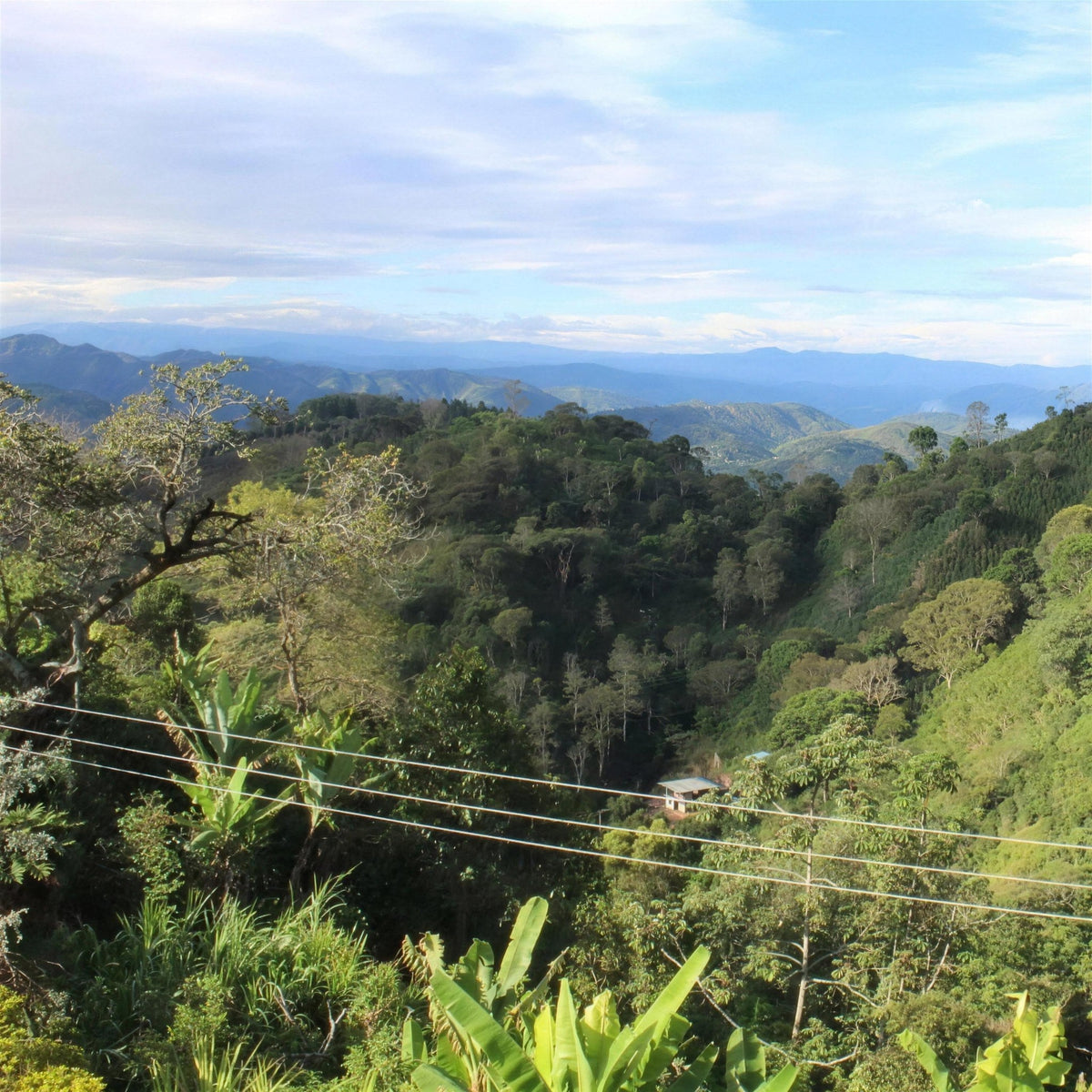
Mt. Elgon, on the Kenyan border, grows heritage Kenyan varieties — SL14, SL28 — at up to 2,000 metres, on farms where growers manage twenty to two hundred trees each. The small household lots can be hard to keep consistent, but they carry a distinctive character, and the best of them score in the high 80s.

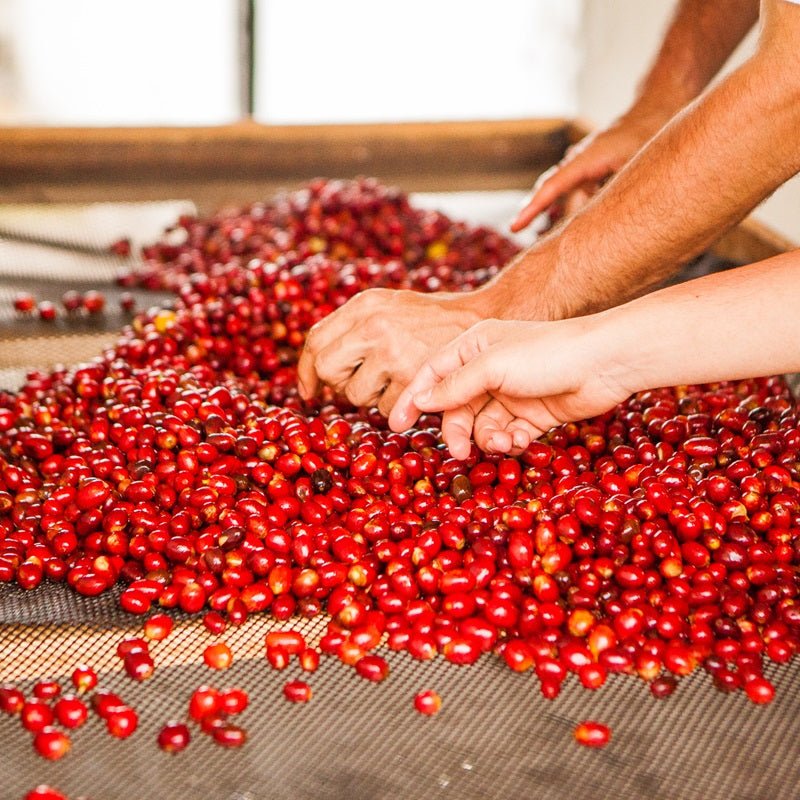
Norman Mukuru is the reason we're there. He started as an agronomist, was recruited by one of Uganda's largest exporters to build collection and processing operations across the country, and did it well enough that they sent him east to Mt. Elgon to do it again. When that company collapsed, Norman kept the networks he'd built and started his own operation — The Coffee Yards, a central hub outside Mbale with raised beds, fermentation tanks and a Penagos pulper, buying cherry from about 300 smallholder families at the mountain's highest elevations.

Same cherry, two clocks
We bought two lots from him — and here's why that's interesting. They're the same cherries, from the same farms, processed two ways. One is sealed for 48 hours, anaerobic. The other is sealed for 96 hours, an extended natural.


- 48 hours
- Chocolate fudge, banana, toffee
- 96 hours
- Guava, overripe peach, mulled wine
- Constant
- Same mountain, same varieties, same hands, same beds
Same mountain. Same variety. Same hands. The only thing we changed was the clock.
And the cup changed completely. That's the whole thesis of this company in one side-by-side: fermentation time is a variable, and a variable is something you control, not something you hope for.
The origin your shelf forgot is doing controlled fermentation as well as origins twice as famous — for a fraction of the hype. Taste the two against each other and you'll understand our entire method faster than any manifesto could.
Uganda Coffee Yards · 48h Anaerobic Natural — chocolate fudge, banana, toffee.
Uganda Coffee Yards · 96h Extended Natural — guava, overripe peach, mulled wine.