Table of Contents
- Why Small Batch Coffee Roasters Stand Apart
- Quick Comparison: Best Small Batch Coffee Subscriptions
- What Makes Anaerobic Fermentation Coffee Different?
- How We Evaluated These Online Coffee Roasters
-
The Best Small Batch Coffee Subscriptions for 2026
- Anaerobic: For Experimental Flavor Profiles
- Trade Coffee: For Discovering New Roasters
- Atlas Coffee Club: For Exploring Global Origins
- 787 Coffee: For Farm-to-Cup Transparency
- Bean Box: For Tasting Flights and Gifts
- Driftaway Coffee: For Calibrated Personalization
- Bones Coffee Company: For Bold Flavored Roasts
- Copper Cow Coffee: For Convenient Pour-Over Kits
- How to Store Coffee Beans for Maximum Freshness
- Which Small Batch Coffee Should You Pick?
- Common Mistakes to Avoid When Buying Coffee Online
- Frequently Asked Questions
Last Updated: September 6, 2026
The specialty coffee market has shifted toward freshness and traceability, but the gap between "freshly roasted" claims and the actual roast date remains wide. For enthusiasts, the solution is learning how to buy small batch coffee online from roasters who prioritize controlled processing and transparent sourcing. This guide from Anaerobic evaluates leading subscription services and independent roasters offering roast-to-order coffee, focusing on experimental fermentation techniques that reveal distinct tasting notes.
Small batch coffee is roasted in limited quantities, typically within days of shipping, to preserve volatile aromatic compounds that degrade quickly. Below, we break down how to evaluate roasters and storage practices that keep beans fresh.
Why Small Batch Coffee Roasters Stand Apart
The core distinction between a micro-roastery and a mass producer comes down to batch size and quality control. Commercial roasters often roast thousands of pounds daily, prioritizing consistency. Small batch roasters, by contrast, typically roast 10 to 50 pounds per batch, allowing them to adjust profiles for bean density, moisture content, and origin characteristics.
This precision matters most with specialty coffee. When you buy small batch coffee online, you purchase beans roasted to a specific profile designed to highlight the producer's work. A light roast preserves delicate floral and fruit notes; a dark roast develops deeper chocolate and caramel characteristics. The roaster's skill determines whether those flavors emerge cleanly or get buried under defects.
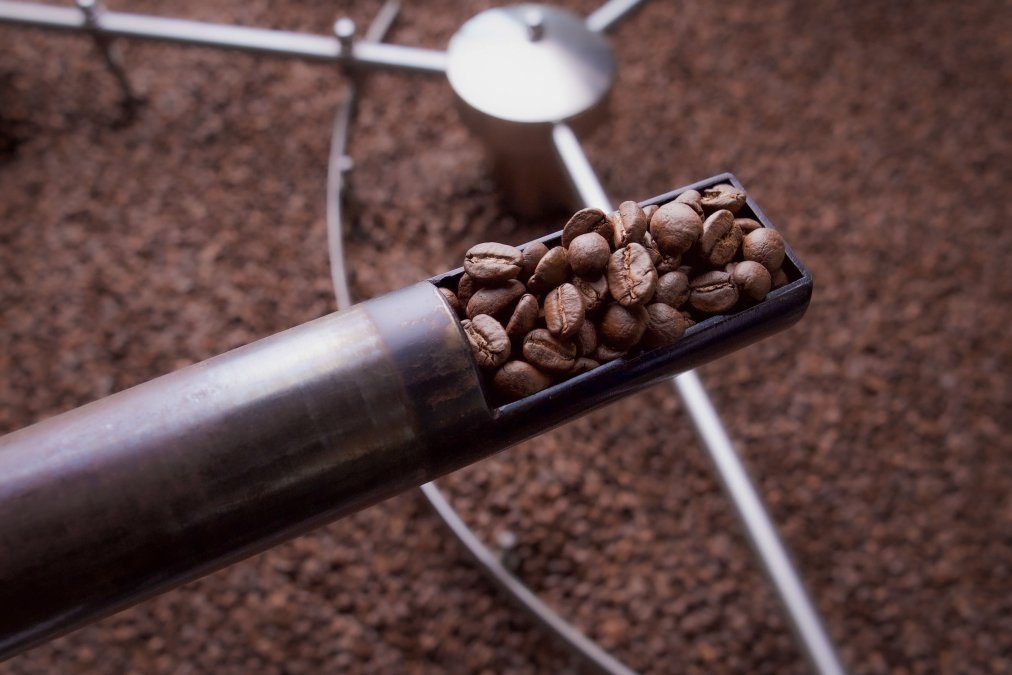
Close-up shot of freshly roasted whole coffee beans spilling from a burlap sack into a roaster's cooling tray in a small, artisan roasting facility, warm ambient light catching the oily surface of the beans
Roast-to-order fulfillment is the other differentiator. Most small batch roasters ship within 48 hours of roasting, meaning beans arrive at peak freshness. According to guidance from the Specialty Coffee Association on freshness standards, coffee is best consumed within two to four weeks of roasting, making the roast date the single most important label to check.
Quick Comparison: Best Small Batch Coffee Subscriptions
Service |
Starting Price |
Best For |
Standout Feature |
|---|---|---|---|
Anaerobic |
Varies by lot; free shipping over $50 |
Experimental flavor seekers |
Controlled anaerobic fermentation, single-origin transparency |
Trade Coffee |
$16.99 per bag |
Discovering new roasters |
Taste quiz personalization, 400+ coffees |
Atlas Coffee Club |
$7.00 intro offer |
Global origin exploration |
Monthly shipments from different countries |
787 Coffee |
$19.00 per bag |
Farm-to-cup transparency |
Vertically integrated, own farm beans |
Bean Box |
$24.00 per month |
Tasting flights and gifts |
Curated multi-roaster samplers |
Driftaway Coffee |
$16.00 per shipment |
Beginners needing guidance |
Tasting kit calibration, feedback loop |
Bones Coffee |
$16.99 per bag |
Flavored roast fans |
Bold, creative flavor profiles |
Copper Cow Coffee |
$15.00 per kit |
Travel and convenience |
Single-serve pour-over kits |
What Makes Anaerobic Fermentation Coffee Different?
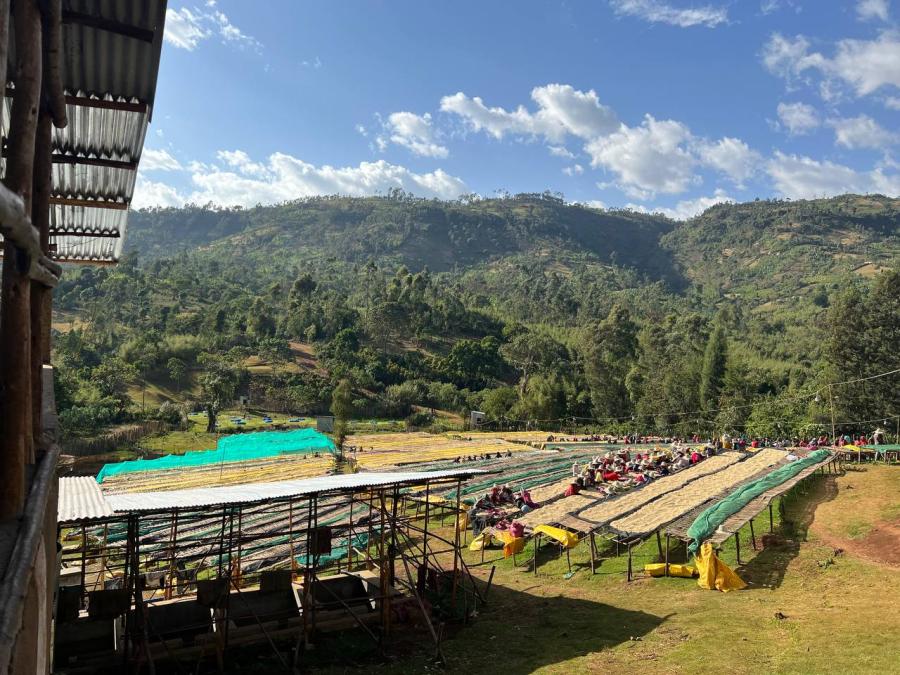
Anaerobic fermentation coffee is processed in sealed, oxygen-free tanks, where controlled microbial activity develops unique flavor compounds over an extended period. Unlike traditional washed or natural processing, it produces pronounced fruit-forward characteristics, often with wine-like acidity and a creamy body.
Because the process is controlled, roasters achieve consistency across batches that is difficult with ambient fermentation. Producers monitor temperature, pressure, and duration, resulting in predictable flavor profiles. For home baristas, dialing in a brew is more straightforward: the coffee responds predictably to grind size and extraction time.
Anaerobic processing does not automatically mean "funky." When executed correctly, it elevates the bean's intrinsic character. When done poorly, it produces the fermented, undrinkable flavors some drinkers have encountered. The difference comes down to producer skill and transparency.
How We Evaluated These Online Coffee Roasters
We assessed each roaster against five criteria: sourcing transparency, roast freshness, processing method, subscription flexibility, and value. Sourcing transparency includes whether the roaster names specific producers or estates and provides farm-level traceability. Roast freshness measures the time between roasting and shipping.
For processing method, we prioritized roasters offering single-origin lots with clear information about fermentation techniques. Subscription flexibility covers pause, cancel, and frequency adjustment options. Value considers price per bag relative to coffee quality and shipping costs.
Coffee quality was verified through cupping evaluations and brew testing across pour over, drip coffee, and espresso blend preparations. We also weighed the guidance on evaluating specialty coffee quality which emphasizes the importance of origin transparency and proper roasting technique.
The Best Small Batch Coffee Subscriptions for 2026
Anaerobic: For Experimental Flavor Profiles
Anaerobic is a roaster combining meticulous sourcing with controlled fermentation to deliver coffees that genuinely taste different from anything on a typical grocery shelf. Each lot is single-origin with named producer partnerships, including estates like El Vergel and Finca Los Nogales, recognized in Cup of Excellence competitions. The roasting approach reveals flavor rather than rescuing defective beans.
What sets Anaerobic apart is the consistency of its fermentation process. Because the company controls the anaerobic environment, each batch delivers predictable tasting notes matching the roaster's descriptions. Subscription plans offer 10-15% savings, orders over $50 ship free, and beans typically ship within 48 hours of roasting.
The one honest limitation is that Anaerobic's experimental lots require brewing care. These are not beans you can grind blindly and expect perfect results. Dialing in grind size and brew ratio matters.
Trade Coffee: For Discovering New Roasters
Trade Coffee operates as a curated marketplace connecting drinkers with dozens of independent roasters. The service begins with a taste quiz that matches you with coffees suited to your preferences, then ships directly from the roaster to preserve freshness.
With over 400 specialty coffees in rotation, Trade excels at variety. You can explore light roasts from one region and move to a completely different roaster the next month. The personalization is genuinely useful, particularly for drinkers who prefer bright, fruity acidity over heavy body but have not found a single roaster they love.
The tradeoff is pricing variability. Since each roaster sets its own price, your subscription cost fluctuates based on selection. Some bags run higher than the $16.99 starting point, particularly for rare lots or experimental processing.
Atlas Coffee Club: For Exploring Global Origins
Atlas Coffee Club takes a geographical approach, shipping single-origin beans from a different country each month. Subscribers receive a postcard and brewing notes from the origin, making it an educational experience as much as a coffee delivery.
The service sources small-batch beans from over 50 countries, with roast preferences adjustable to light, medium, or dark. For drinkers who want to understand how terroir affects flavor, Atlas provides a structured tour of global regions.
The limitation is control. You cannot select the specific farm or processing method each month, so the roast profile may vary more than with a single-origin subscription. Adventurous drinkers will appreciate the variety; those with precise preferences may find it frustrating.
787 Coffee: For Farm-to-Cup Transparency
787 Coffee controls the entire supply chain, from farms in Puerto Rico to its roasting facility. This vertical integration means the company can guarantee exactly where every bean comes from and how it was processed.
The farm-to-cup model delivers exceptional transparency. You know the specific growing conditions, harvest dates, and processing methods for each lot. For consumers who prioritize direct trade and sustainable farming, this traceability justifies the price point.
The tradeoff is limited variety. Since the company only roasts beans from its own farms, the tasting notes available are constrained to what those farms produce. You will not find experimental anaerobic lots or rare varietals from other origins.
Bean Box: For Tasting Flights and Gifts
Bean Box curates tasting flights from top-rated artisan roasters, delivering four small bags each month. The format is ideal for exploring multiple roasters without committing to a full bag of any single coffee.
Each shipment includes tasting notes and brewing recommendations, and the packaging is designed for gifting. A freshness guarantee covers every order, and subscribers can choose whole bean or ground coffee.
The cost per ounce runs higher than bulk purchasing, which is the tradeoff for the curated variety. For gift-givers, the presentation quality makes it a strong choice.
Driftaway Coffee: For Calibrated Personalization
Driftaway starts with a tasting kit that calibrates your preferences across four dimensions: acidity, body, flavor, and finish. Based on your feedback, the service selects coffees matching your profile, then refines future shipments as you rate each delivery.
The feedback loop is the standout feature. Over several shipments, Driftaway narrows your preferences with surprising accuracy. The service also provides detailed farmer and origin information with each bag.
The initial setup requires time, since the tasting kit involves brewing and evaluating multiple samples. But for beginners unsure of their preferences, this calibration eliminates the guesswork.
Bones Coffee Company: For Bold Flavored Roasts
Bones Coffee Company specializes in small-batch, ethically sourced beans with creative flavor infusions. The lineup includes options like salted caramel and chocolate hazelnut, with packaging that leans heavily into a distinctive brand identity.
For drinkers who enjoy flavored roasts, Bones delivers consistent quality. The flavors are bold and clearly defined rather than subtle background notes. The small-batch process ensures the base beans remain fresh despite the added flavoring.
Traditionalists may find the profiles too assertive. If you prefer the clean tasting notes of unflavored single-origin coffee, these roasts will not appeal.
Copper Cow Coffee: For Convenient Pour-Over Kits
Copper Cow Coffee packages sustainable Vietnamese coffee into single-serve pour-over kits that include a filter and sweetened condensed milk for traditional lattes. The format requires no equipment beyond a cup and hot water.
The convenience is unmatched for travel or office use. Each kit delivers a consistent cup without measuring beans or adjusting grind size. The Vietnamese origin provides a distinct flavor profile different from typical Latin American single-origin lots.
The cost per cup runs higher than brewing whole beans at home, which is the tradeoff for the portability and ease.
How to Store Coffee Beans for Maximum Freshness
Storing coffee beans properly is the difference between a bag that tastes vibrant for weeks and one that goes stale in days. The enemies are oxygen, light, heat, and moisture. Whole bean coffee stored in an airtight, opaque container at room temperature will maintain quality for two to three weeks after the roast date.
The common mistake is refrigerating or freezing beans. Condensation introduces moisture, which accelerates staling and can flatten the flavor profile. The storage guidance from the National Coffee Association recommends keeping beans in a cool, dark cabinet away from the stove or other heat sources.
Grind only what you need immediately before brewing. Ground coffee loses volatile aromatic compounds rapidly, which is why whole bean coffee consistently outperforms pre-ground options for flavor intensity. If you buy small batch coffee online, transfer the beans to an opaque canister with a one-way valve that releases carbon dioxide without letting oxygen in.
Which Small Batch Coffee Should You Pick?
The right choice depends on what you value most. If experimental processing and transparent sourcing matter, Anaerobic delivers the most distinctive cups. The controlled fermentation process produces genuinely different flavor profiles, and the direct producer partnerships provide traceability that most roasters cannot match.
For discovering new roasters, Trade Coffee offers unmatched variety. For global education, Atlas Coffee Club provides a structured origin tour. For farm-to-cup accountability, 787 Coffee leads. For gifting, Bean Box packages beautifully. For beginners, Driftaway's calibration system removes the guesswork.
The table below summarizes the decision framework:
If You Want |
Choose |
Why |
|---|---|---|
Experimental, consistent flavor |
Anaerobic |
Controlled fermentation, named producers |
Maximum roaster variety |
Trade Coffee |
400+ coffees, personalized matching |
Global origin education |
Atlas Coffee Club |
Monthly country rotation |
Full supply chain control |
787 Coffee |
Own farms, direct trade |
Multi-roaster sampling |
Bean Box |
Curated tasting flights |
Guided preference finding |
Driftaway Coffee |
Tasting kit calibration |
Bold flavored roasts |
Bones Coffee |
Creative infusions, strong branding |
Portable convenience |
Copper Cow Coffee |
Single-serve pour-over kits |
Common Mistakes to Avoid When Buying Coffee Online
The first mistake is ignoring the roast date. Many retailers list only a "best by" date, which tells you nothing about freshness. Always look for the roast date and expect the roaster to ship within days of roasting. If the date is absent, ask before purchasing.
The second mistake is assuming expensive means fresh. Price reflects sourcing and processing, but a bag can sit in a warehouse for months regardless of cost. Verify the fulfillment timeline before committing to a subscription.
The third mistake is choosing ground coffee when you own a grinder. Pre-ground coffee loses flavor rapidly, and you cannot adjust grind size to match your brewing method. Whole bean coffee offers more control over extraction, which matters for pour over and french press preparations.
The fourth mistake is overlooking sustainability practices. Eco-friendly packaging and direct trade relationships signal a roaster invested in long-term quality rather than short-term margins. These factors affect both the coffee's flavor and its environmental footprint.
Finally, do not judge a roaster by a single bag. Roast profiles vary by lot and season, and even excellent roasters produce batches that miss your preferences. A subscription that lets you explore multiple offerings before committing provides the best path to finding your regular rotation.
Choosing where to buy small batch coffee online comes down to understanding what you value: experimental flavor, sourcing transparency, or convenience. For drinkers ready to move beyond conventional processing, Anaerobic offers controlled fermentation and single-origin lots that deliver consistent, elevated tasting notes. The subscription model provides 10-15% savings, flexible pause options, and free shipping over $50, with beans roasted and shipped within 48 hours. Start your exploration with Anaerobic.
Frequently Asked Questions
What makes small batch coffee different from mass-produced coffee?
Small batch coffee is roasted in limited quantities, often to order, which allows the roaster to monitor the roast profile closely and adjust for bean density and origin. Mass-produced coffee is roasted in large volumes to achieve consistency across a broad supply, which can flatten the flavor. For small batch coffee, the roast date is recent, usually within days of shipping, so you get peak aroma and acidity. This approach prioritizes the distinct character of each lot over uniformity.
How does anaerobic fermentation affect the flavor of coffee?
Anaerobic fermentation coffee benefits include a cleaner, more pronounced acidity and complex flavor profile compared to traditional washed or natural processes. During anaerobic fermentation, whole coffee cherries are sealed in oxygen-free tanks, which slows fermentation and encourages the development of specific acids and esters. The result is often described as having a wine-like or tropical fruit character with a syrupy body. This controlled process can highlight unique tasting notes, but it requires careful monitoring to avoid over-fermentation.
Is it better to buy coffee beans online or at a grocery store?
Buying coffee beans online generally guarantees a fresher roast date than a grocery store. Grocery store shelves often hold beans roasted weeks or months earlier, whereas online small batch coffee roasters typically roast-to-order and ship within 48 hours. The trade-off is that you cannot smell the beans before buying. To get the best results, check the roast date on the bag and choose whole bean options over pre-ground to preserve flavor and aroma.
How long does small batch coffee stay fresh after roasting?
Small batch coffee stays at peak freshness for 2 to 4 weeks after the roast date. For the first 3 to 5 days, the beans are still degassing, which can make brewing inconsistent. The sweet spot for most brewing methods is between 5 and 14 days post-roast. To maximize shelf life, store whole beans in an airtight container away from light, heat, and moisture. Avoid the freezer unless you are storing for more than a month.
What should I look for when choosing a best specialty coffee subscription?
The best specialty coffee subscriptions offer a visible roast date, flexible delivery frequency, and the option to pause or cancel without penalty. Look for a roaster that provides specific tasting notes and origin details, so you know what to expect. If you are exploring anaerobic fermentation coffee benefits, confirm the roaster shares details about the processing method. Also check the shipping window: beans should leave the roaster within 48 hours of roasting to ensure freshness.