Table of Contents
- What to Look for in a Specialty Coffee Subscription in 2026
- Best Overall: Anaerobic's Discovery Sets for Controlled Fermentation
- Best Anaerobic Process Coffee for Espresso Lovers
- How to Buy Small Batch Coffee Online Without Wasting Money
- Decaf and Low-Caffeine Specialty Options
- Conclusion: Matching Your Brewing Method to the Right Subscription
- Frequently Asked Questions
Last Updated: September 11, 2026
What to Look for in a Specialty Coffee Subscription in 2026
A specialty coffee subscription delivers freshly roasted, traceable coffee from named producers, usually within days of roast. The best specialty coffee subscription 2026 programs share three traits: a printed roast date, disclosed process and producer, and penalty-free pausing. Anaerobic built its subscription around those three commitments.
Roast Date vs. Best-By Date
A roast date tells you when the coffee was roasted; a best-by date tells you when the roaster wants it sold. Whole bean peaks roughly 5 to 20 days after roasting, and a best-by month can mean the bag is months old before it reaches you (peer-reviewed research).
Process Transparency and Producer Relationships
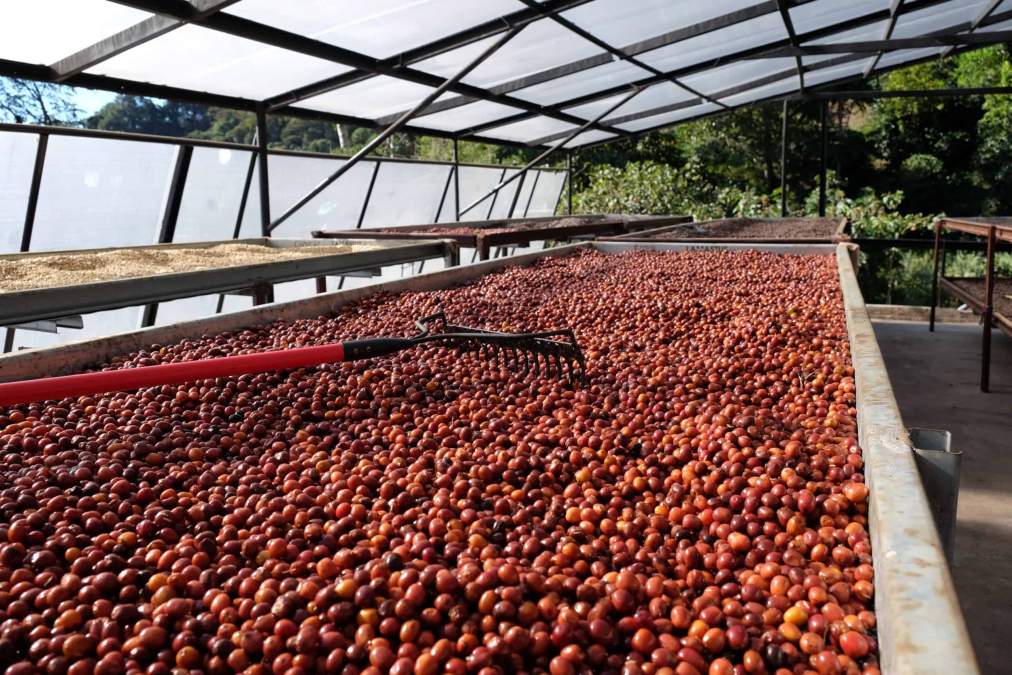
Process transparency means the roaster names the fermentation method, hours, and temperature; producer relationships mean the roaster names the farm. Look for lots credited to a specific estate, such as El Vergel Estate or Finca Los Nogales, not a vague regional blend.
Best Overall: Anaerobic's Discovery Sets for Controlled Fermentation
Anaerobic's Discovery Sets are the strongest starting point for fermented coffee because they isolate a single variable. The Beyond ($81.80) holds one producer steady and changes the process: Ethiopia Bursa G1 Anaerobic and Bursa G1 Washed both come from Mulugeta Muntasha in Arbegona, Sidama, the same 74158 landrace taken down two roads, with Uganda Coffee Yards 96h as a third reference point. The Cellar ($92.20) sets two anaerobic benchmarks beside a Reserve microlot. Three full 10oz bags each.

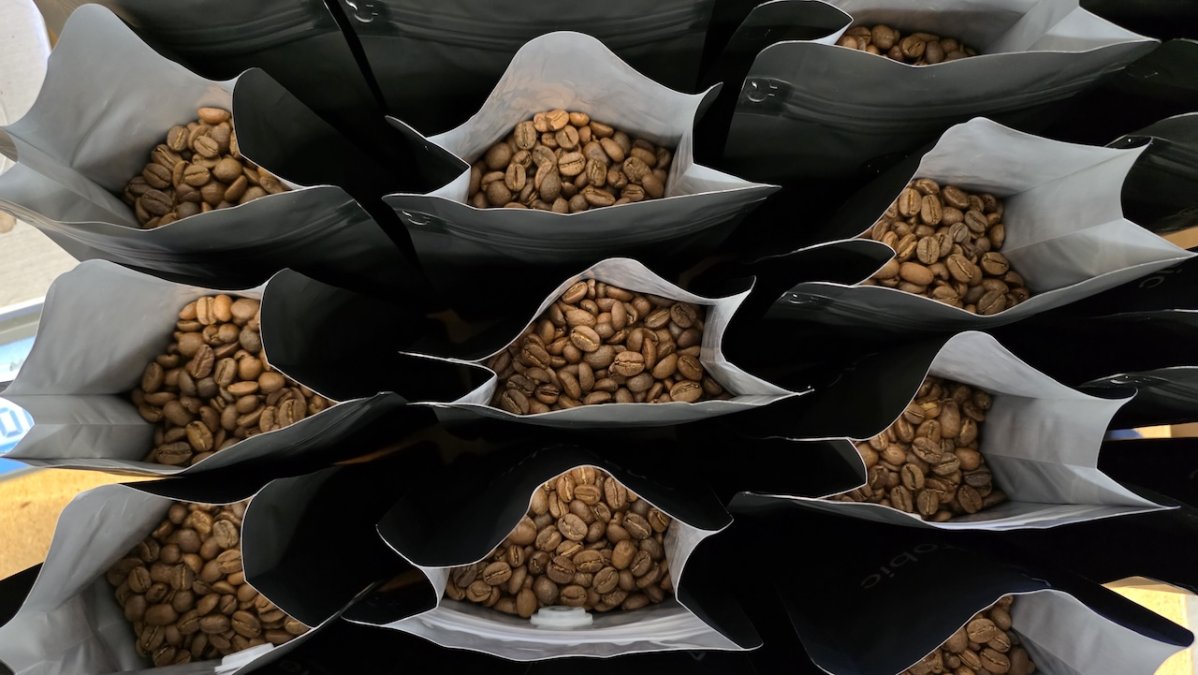
The Beyond and The Cellar: Two Ways to Taste the Process
The Beyond is the analytical set: holding origin steady while changing the process is the fastest way to learn what controlled fermentation adds. The Cellar is the exploratory set, built for the range of sealed-tank fermentation across origins. New to this style? Start with The Beyond.
Set |
Price |
What's Inside |
Best For |
|---|---|---|---|
$81.80 |
Ethiopia Bursa Anaerobic + Bursa Washed + Uganda 96h |
Learning what fermentation adds |
|
The Cellar |
$92.20 |
Papayo Reserve + Uganda 96h + Bursa Anaerobic G1 |
Tasting the range of the process |
$12.00 |
One lot, 3-4 brews |
Testing before committing |
Best Anaerobic Process Coffee for Espresso Lovers
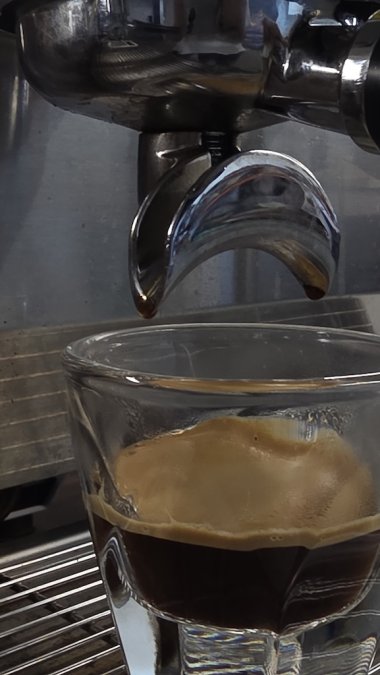
For espresso, the best anaerobic process coffee is Colombia Guamo 36+96h Anaerobic Natural ($32.00). Its cocoa, red cherry and blueberry profile holds up under pressure and milk, where delicate floral lots disappear. The Caturra ferments sealed in two stages: a 36-hour pre-ferment, then 96 hours at a steady 23°C, 132 hours total, building body without the vinegar edge of less controlled naturals.

Grind Size and Extraction for Fermented Beans
Fermented beans extract faster than washed beans at the same grind setting because fermentation has broken down some of the structure (peer-reviewed research). Start one or two clicks coarser than your usual espresso grind, then adjust. A fresh anaerobic natural blooms aggressively on a pour-over, releasing fruit-forward aroma within 30 seconds. Bitter shot? Coarsen. Thin and sour? Tighten slightly.
Match Frequency to Your Brew Method, Not Just Your Caffeine Habit
The interval table above assumes a 15 g dose, a pour-over or drip number. Your brewer changes the math, and most subscription guides skip this:
- Pour-over (V60, Chemex, Kalita): 15 to 22 g per brew. A V60 single cup runs about 15 g; a Chemex for two runs 30 g or more. Brew Chemex daily and a 10oz bag lasts closer to 12 to 14 brews, not 18 to 20, move up one frequency tier.
- French press: 30 to 35 g per 12 oz cup because the immersion method needs a coarser grind and a higher dose. A daily French press drinker burns a 10oz bag in roughly 8 to 10 brews, a weekly or 10-day cadence, not biweekly.
- AeroPress: 14 to 18 g per cup, similar to pour-over, but many users pull two quick cups back to back. Treat it like a two-cup-a-day habit if that is your pattern.
- Drip machine: 10 to 12 g per 6 oz cup on most automatic brewers, but a full 40 oz carafe can take 60 to 70 g in one session. Brew a pot on weekends and your weekly grams spike hard.
- Super-automatic espresso machines: these dose 7 to 11 g per shot and often pull two shots per drink. A latte with a double shot is 14 to 22 g before dialing in. They also waste less on dial-in than a manual setup because the grinder is integrated and consistent.
- Manual espresso (Gaggia, Breville, Flair): 18 to 20 g per double shot, plus 2 to 4 shots wasted per new bag while you dial in the grind. Budget an extra 40 to 80 g per bag for dial-in alone.
The Dial-In Tax on Espresso Subscriptions
Espresso drinkers lose coffee to dial-in every time a new bag arrives. A new origin, roast level, or process means a new grind setting, and finding it typically costs 2 to 4 shots. At 18 g per shot, that is 36 to 72 g gone before your first good pull, over a 12-month subscription with 24 deliveries, roughly 860 g to 1,730 g, or three to six 10oz bags a year spent on calibration.
Two ways to reduce the dial-in tax:
- Order larger bags less often. A 2 lb bag means one dial-in session per month instead of one per two weeks. The trade-off is that the last third of the bag is older, so this only works if you finish it inside three weeks.
- Stay on one origin longer. A subscription that rotates every delivery forces a fresh dial-in every time. A subscription that holds a single lot for two or three shipments lets you dial once and drink for weeks.
Storage and the Real Shelf Life Clock
The roast date is the clock, not the delivery date. A bag arriving two days post-roast has roughly 12 to 19 peak days left; one arriving 10 days post-roast has 5 to 11. Shipping speed matters as much as frequency: if a roaster ships within 48 hours of roasting, your frequency math holds; if within a week, subtract about five days from every peak window and order one tier more often.
Store beans in the original bag with the degassing valve closed, or in an opaque airtight container. Do not refrigerate; condensation accelerates staling. Freezing works for whole beans if you portion into single-session bags and let them reach room temperature before grinding, but it is a bulk-storage tool, not a daily-use one.
How to Buy Small Batch Coffee Online Without Wasting Money
To buy small batch coffee online without waste, buy a 50 g sample before committing to a full bag. Anaerobic's Coffee Sample ($12.00) is 50 g of a single lot, sealed the same day it is roasted, enough for three or four brews, the cheapest way to find the coffee you want by the bag.

The 12-Month Cost-Per-Cup Model Most Guides Skip
Sticker price per bag tells you almost nothing about what a subscription costs you. The number that matters is cost per cup over a full year, with four inputs: bag price, shipping, dial-in waste, and stale-bag loss.
Step 1, Establish your annual gram need.
Take your daily dose in grams, multiply by days you brew per week, then multiply by 52. A two-cup-a-day pour-over drinker at 15 g per cup uses 30 g per day, 210 g per week, and about 10,920 g per year.
Step 2, Convert grams to bags.
A 10oz bag holds 283 g. Divide annual grams by 283. The same drinker needs roughly 39 bags per year. Round up to 40 to account for the occasional spilled dose or guest cup.
Step 3, Add shipping.
This is the line item most guides bury. If a roaster ships free over $50 and your bag is $32, a single-bag order pays shipping; a two-bag order clears the threshold. Over 40 bags, ordering two at a time means 20 shipments instead of 40, potentially zero shipping fees instead of 20. At a typical $6 to $9 flat rate, that is $120 to $180 saved per year just by changing order size.
Step 4, Add dial-in waste (espresso only).
If you pull espresso, add 40 to 80 g per new bag for calibration. Over 40 bags, that is 1,600 to 3,200 g, roughly 6 to 11 extra bags per year, or $192 to $352 in coffee you never drink. This is the largest hidden cost in espresso subscriptions and almost no guide accounts for it.
Step 5, Add stale-bag loss.
If your frequency outpaces your brewing, you throw away the tail of every bag. Lose 20% of each bag to staleness and your effective cost per cup rises 25%; lose 40% and it rises about 67%. The fix is not a cheaper subscription but a slower one.
Where the Subscription Discount Actually Helps
Anaerobic's subscription plans save 10 to 15% against one-off pricing, and orders over $50 ship free. Run the math on your habit:
- Count your weekly brews, then multiply by your dose in grams to get weekly grams.
- Divide by 283 (the grams in a 10oz bag) to get bags per month.
- Multiply bags by the bag price, then subtract the 10 to 15% subscription discount.
- Add dial-in waste if you pull espresso, and add a stale-loss buffer if your frequency runs ahead of your brewing.
A two-cup-a-day drinker burns through roughly two bags a month, so the discount compounds quickly. A once-a-week brewer does not need a subscription at all; a sample rotation is the better spend.
The Break-Even Point for a Subscription
The subscription discount only beats one-off buying if you consume the coffee before it stales. The break-even is roughly one bag every three weeks. Below that pace, staleness costs more than the discount, and a sample rotation plus occasional full bags is cheaper. Above it, the subscription wins on price and freshness because you always drink inside the peak window.
Decaf and Low-Caffeine Specialty Options
Decaf in specialty coffee has improved dramatically, but it remains narrower than caffeinated offerings, and most experimental fermentation lots are released caffeinated. For controlled-fermentation flavor without caffeine, brew a smaller dose of a full-caffeine lot in the evening rather than chase a decaf anaerobic natural, which few roasters produce in volume. For genuinely low-caffeine options, look for roasters who label the decaffeination method (Swiss Water and CO2 are common) and still print a roast date.
Conclusion: Matching Your Brewing Method to the Right Subscription
The right subscription follows your brewing method, not the other way around. Pour-over and drip reward clarity, so lean toward washed or lighter anaerobic lots like Ethiopia Bursa Washed G1. Espresso and milk drinks reward body, so Guamo's cocoa-and-cherry base is safer. Cold brew handles fruit-forward naturals well.
Anaerobic roasts in small batches and ships within 48 hours, with free shipping over $50 and 10 to 15% off subscription plans. Start with The Beyond if you want to understand the process, or grab a $12 sample if you just want to taste one lot first.
Frequently Asked Questions
What makes anaerobic process coffee different from traditional natural or washed coffee?
Traditional processing lets wild yeast and bacteria ferment the cherry in open air. Anaerobic process coffee seals cherries in oxygen-free tanks for a set time and temperature. This gives the roaster control over which flavors develop. Anaerobic's Colombia Guamo, for example, ferments for 132 hours in two stages, building cocoa, red cherry, and blueberry notes on purpose rather than leaving them to chance.
How do I choose a coffee subscription frequency that keeps beans fresh?
Match frequency to how much you brew. A 10oz bag makes roughly 12 to 15 cups, so a daily drinker needs a bag every two to three weeks. If you brew two cups a day, weekly or biweekly works. Anaerobic roasts to order and ships within 48 hours, so you can order as needed without stockpiling. Start with a 50g sample if you are unsure about volume.
Is a specialty coffee subscription worth the cost compared to buying bags at a store?
Store bags often sit for weeks before you buy them, so you pay for stale coffee. A specialty coffee subscription ships roasted-to-order beans within 48 hours. Anaerobic's subscription saves 10 to 15 percent and includes free shipping on orders over $50. If you drink coffee daily, the freshness and cost per cup usually beat grocery store options, especially for single-origin lots.
Can I brew anaerobic fermented coffee with a standard drip machine or French press?
Yes. You do not need professional equipment. For drip, use a medium grind and a 1:16 coffee-to-water ratio. For French press, use a coarse grind and a 4-minute steep. Anaerobic's light-medium roasts work in both. If the cup tastes too bright, grind finer or raise water temperature slightly. The fermentation flavors come through even without a pour-over setup.
What happens if I do not like a coffee in my subscription shipment?
Anaerobic offers flexible pause and cancel options, so you are not locked in. You can switch to a different lot or pause before the next billing cycle. If a specific coffee is not to your taste, try adjusting your grind size or brewing ratio first. Many fermented coffees change character with a 10-degree water temperature shift or a slightly coarser grind.