Table of Contents
- What Unique Flavor Profiles in Specialty Coffee Actually Mean
- The Anaerobic Fermentation Coffee Process: How Controlled Fermentation Creates New Flavors
- How to Taste Coffee Like a Professional: A Step-by-Step Cupping Protocol
- Coffee Flavor Wheel Explained: Mapping Acidity, Body, Sweetness, and Aroma
- How Origin, Varietal, and Processing Shape Unique Flavor Profiles
- Brewing Variables vs. Inherent Profiles: What You Can and Can't Change in the Cup
- Troubleshooting 'Off' Flavors in Experimental Specialty Coffee
- Conclusion
- Frequently Asked Questions
Last Updated: September 12, 2026
What Unique Flavor Profiles in Specialty Coffee Actually Mean
Unique flavor profiles in specialty coffee are the distinct, traceable taste characteristics that separate one lot from another, shaped by genetics, terroir, and fermentation rather than roast alone. At Anaerobic, we source single-origin lots because those variables deserve to be tasted.
The Specialty Coffee Association's cupping standards treat flavor as a measurable attribute, not a marketing word, and its SCA cupping protocols and flavor wheel define the vocabulary professionals use to describe it. Most supermarket coffee tastes the same because it is blended for consistency across a commodity supply chain. Specialty coffee works the opposite way: it preserves the variables that make a cup identifiable.
That distinction matters more now than a decade ago: controlled fermentation has pushed what a single coffee can taste like into territory that would have read as a defect twenty years ago. Below, we break down where those flavors come from, how to taste them, and what you can and cannot change at the brew stage.
The Anaerobic Fermentation Coffee Process: How Controlled Fermentation Creates New Flavors
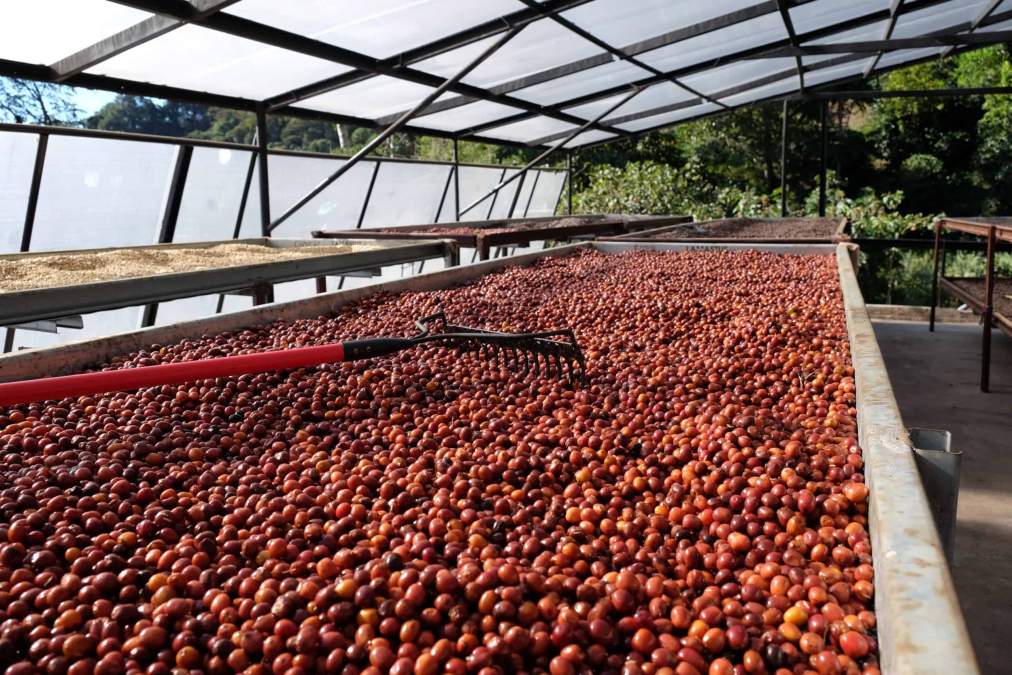
The anaerobic fermentation coffee process seals whole cherries in airtight tanks, removing oxygen so a different set of microbes drives the reaction. Producers control temperature, humidity, and time instead of leaving fermentation to chance.
Here is what happens inside the tank:
- Oxygen is displaced, favoring lactic acid bacteria and yeasts over acetic-acid producers.
- Sugars and acids are converted into aromatic precursors: esters, alcohols, and organic acids.
- Time and temperature are held to a plan, typically measured in hours rather than left to ambient conditions.
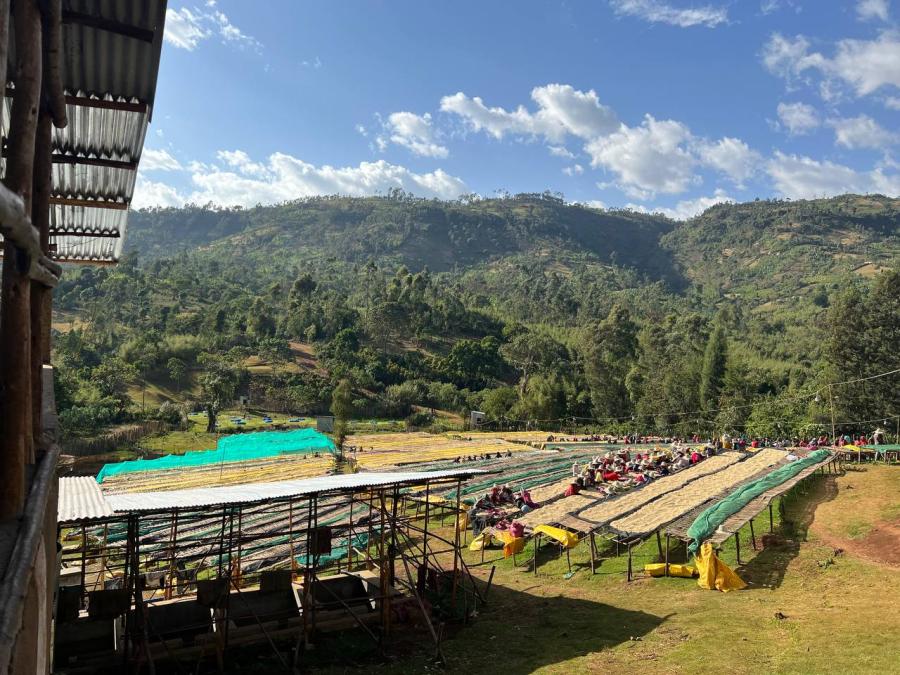
- Cherries are dried slowly on raised beds, locking in the compounds developed in the tank.
The result is fruit-forward intensity washed coffee rarely reaches. A common mistake is assuming longer fermentation means better coffee: past a certain point the fruit turns to vinegar. Precision, not duration, is the point.
How to Taste Coffee Like a Professional: A Step-by-Step Cupping Protocol
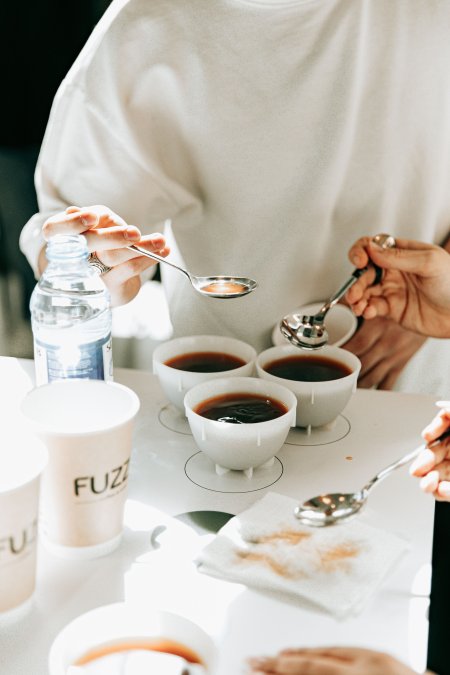
Learning how to taste coffee like a professional means removing variables and following a fixed protocol so your palate, not your mood, does the judging. The industry standard is cupping: identical doses, grind, and water, no brewing equipment in the way.
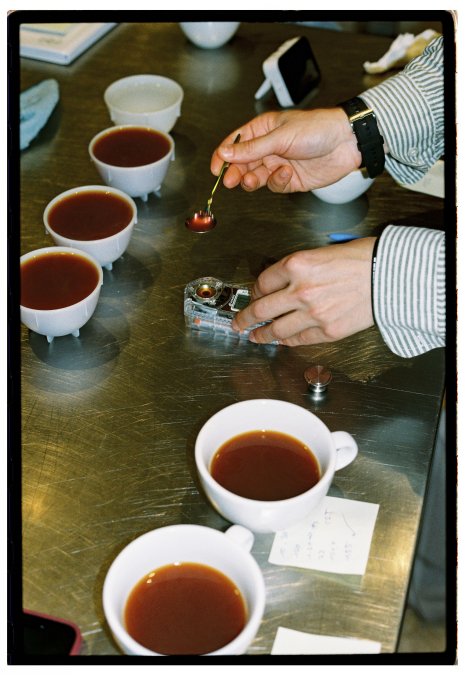
Total time: about 30 minutes per flight. What you'll need: a gram scale, a burr grinder, a kettle, six identical cups, a cupping spoon, and a timer.
The 15-15-15 Rule for Consistent Tasting
The 15-15-15 rule keeps your cupping repeatable: 15 grams of coffee, 15 times that weight in water (225 grams), and 15 minutes from pour to final evaluation (sca.coffee). Weigh the dose, grind medium-coarse, pour water just off boil, then let the crust rest four minutes before breaking it.
Training Your Palate to Identify Unique Coffee Notes
Palate training works through repetition and reference, not talent. Taste the same coffee three days running, writing a note each time, and compare a washed and natural version of the same origin side by side. Over a few weeks, the gap between "fruity" and "strawberry" closes.
Coffee Flavor Wheel Explained: Mapping Acidity, Body, Sweetness, and Aroma
The coffee flavor wheel explained simply: it is a hierarchical map that moves from broad categories at the center to specific descriptors at the outer ring. You start at "fruity," then narrow to "berry," then land on "strawberry." The World Coffee Research sensory lexicon is the reference document behind much of the modern vocabulary, and the SCA wheel is the version most cuppers actually use at the table.
The wheel is a decision tree you can walk in real time while a cup is cooling. Here is how to use it.
Walking the Wheel: A Tier-by-Tier Breakdown
The wheel has three functional rings, each answering a different question.
Inner ring, category. The broadest bucket: fruity, floral, sweet, nutty/cocoa, spices, roasted, green/vegetative, sour/fermented, chemical, papery/musty, and other. When you cannot name a note, name the category, "fruity" is a valid call.
Middle ring, subcategory. Once you have the category, narrow it. Under fruity: berry, dried fruit, other fruit, citrus. Under nutty/cocoa: nutty, cocoa. Under sweet: brown sugar, vanilla, overall sweet.
Outer ring, specific descriptor. This is where tasting notes live: strawberry, blueberry, blackberry, raisin, lemon, orange, grapefruit, dark chocolate, milk chocolate, hazelnut, almond, honey, maple syrup, brown spice, black pepper.
A practical rule: never jump from the inner ring to the outer ring in one step. If you immediately write "strawberry," you skipped calibration. Go fruity → berry → strawberry and confirm each tier against a reference.
The Four Attributes Underneath Every Wheel Note
Four attributes sit under everything, and they are independent of the wheel's flavor categories:
Attribute |
What It Measures |
High Example |
Low Example |
|---|---|---|---|
Acidity |
Brightness and liveliness |
Citrus, malic snap |
Flat, muted |
Body |
Weight and texture |
Syrupy, coating |
Thin, tea-like |
Sweetness |
Perceived sugar |
Brown sugar, ripe fruit |
Dry, hollow |
Aroma |
Volatile compounds |
Floral, spice |
Neutral, papery |
Acidity is not sourness and body is not strength, confusing those pairs is the most common error in tasting notes. A coffee can be high-acid and light-bodied (many washed East African lots) or low-acid and heavy-bodied (many wet-hulled Indonesian lots). The wheel describes flavor; these four attributes describe structure.
A Working Protocol for Using the Wheel in Real Time
- Slurp at hot, medium, and cool. Aromatics shift as the cup drops in temperature; notes that hide at 180°F often surface around 140°F.
- Name the category first. Write the inner-ring word before reaching for a specific descriptor.
- Cross-check against a reference. Keep reference jars or a known coffee on hand, a washed Ethiopian for citrus/floral, a natural Brazilian for nutty/chocolate.
- Log attribute scores separately. Acidity, body, sweetness, and aroma each get their own line.
- Re-cup the same coffee on a different day. If the descriptor changes, you are still calibrating; if it holds, you have a real note.
Where the Wheel Breaks Down
The wheel is a vocabulary tool, not a quality scale. Two coffees can both read "fruity → berry → strawberry" and differ enormously in clarity, sweetness, and structure. It tells you what a flavor is, not whether the cup is good, that judgment comes from attribute scores and your reference set.
How Origin, Varietal, and Processing Shape Unique Flavor Profiles
Three variables do most of the work before a roaster touches the green coffee: where it grew, what it is, and how it was processed. Change any one and the cup changes with it.
Origin and Terroir: Altitude, Soil, and Microclimate
Terroir in coffee works much like wine. Higher altitude slows cherry maturation, concentrating sugars and acids; volcanic soil contributes mineral complexity; wide day-night temperature swings produce denser beans and more clarity in the cup.
The mechanism: slower maturation gives the seed more time to accumulate sucrose and organic acids (citric, malic, chlorogenic) before harvest. Those compounds are the raw material for fermentation, roasting, and the cup. A fast-maturing low-altitude cherry simply has less to work with.
Varietal and Processing Method: Washed, Natural, and Honey
Varietal sets the ceiling; processing decides how much of that ceiling you actually taste.
- Washed process: fruit stripped before drying, producing clean, high-clarity acidity.
- Natural process: cherries dried whole, driving heavy fruit and fermented sweetness.
- Honey process: mucilage left on the seed, landing between the two.
Our Uganda Coffee Yards 96h Anaerobic Natural shows what happens when SL14 and SL28 meet a full natural ferment at high altitude, landing on guava, overripe peach, and mulled wine. The [Colombia Papayo Jungle(/products/colombia-papayo) | anaerobic-coffees.com] takes a different route: a four-hour open-air ferment, then 96 hours sealed at 22-25% humidity, which builds strawberry, mango, and pomegranate in the cup.

The Chemistry Behind the Cup: What Actually Creates Flavor
Flavor compounds in roasted coffee come from three distinct chemical pathways, and knowing which one you are tasting tells you whether a note is a varietal signature, a processing artifact, or a roast decision.
1. Enzymatic / origin-derived compounds. These form in the green seed before harvest and survive light roasting, sourcing the floral and citrus notes in high-grown washed coffees, terpenes, esters, and the chlorogenic acid family. Jasmine, bergamot, or lemon in a washed Ethiopian lot comes from enzymatic compounds the variety and altitude put there. Processing can mute or preserve them, but cannot invent them.
2. Sugar-browning compounds (Maillard and caramelization). These form in the roaster when amino acids and reducing sugars react under heat, the Maillard reaction, and when sugars alone caramelize. They produce the nutty, malty, bready, chocolatey, and caramel notes dominating most medium and dark roasts, and the Maillard reaction is also where roast color and much of the body come from. That is why a coffee tasting like toasted almond at medium roast can taste like dark chocolate at a darker roast.
3. Fermentation-derived compounds. These form during processing, when microbes convert sugars and acids into esters, alcohols, and organic acids. Esters are the fruity, floral aromatics, ethyl butyrate reads as pineapple, isoamyl acetate as banana; lactic acid contributes creamy roundness, acetic acid vinegar sharpness. This is the pathway anaerobic and other controlled fermentations push hardest, and why a natural process can taste like strawberry jam while the washed version of the same lot tastes like black tea and lemon.
Reading a Lot Through Its Chemistry
A practical shortcut: when you read a tasting note, ask which pathway it points to.
- "Jasmine, bergamot, lemon" → enzymatic, high-grown washed, likely a distinctive varietal.
- "Milk chocolate, hazelnut, toasted bread" → Maillard and caramelization, roast-driven.
- "Strawberry, pineapple, rum, mulled wine" → fermentation-derived esters and alcohols.
That framing also explains why two coffees from the same farm can taste completely different: same enzymatic base, different fermentation, different roast. And it explains why a roaster cannot roast a washed Bourbon into a strawberry bomb, the ester precursors are not there in the same concentration.
Brewing Variables vs. Inherent Profiles: What You Can and Can't Change in the Cup
Brewing variables adjust intensity and balance; they do not create flavor that was never in the bean. Grind size, water temperature, ratio, and agitation shift extraction, but none will turn a washed Bourbon into a strawberry bomb.
What you can change:
- Extraction level: under-extracted reads sour and thin, over-extracted reads bitter and drying.
- Perceived sweetness: a slightly coarser grind and lower agitation often reads sweeter.
- Clarity: filtered water with the right mineral balance sharpens flavor separation.
What you cannot change: the fruit character of a natural ferment, the florality of a high-altitude washed lot, or the base acidity of the varietal. Dial-in is about revealing what is there. If a coffee tastes hollow no matter what you do, the problem is upstream.
Troubleshooting 'Off' Flavors in Experimental Specialty Coffee
Off flavors in fermented coffee usually trace to one of four causes, each with a different fix. The trick is separating a genuine processing fault from a brewing mistake.
Off Flavor |
Likely Cause |
What to Try |
|---|---|---|
Vinegar, nail polish |
Over-fermentation at origin |
Nothing; it is in the bean |
Medicinal, phenolic |
Tank contamination |
Nothing; it is in the bean |
Sour, thin, hollow |
Under-extraction |
Finer grind, hotter water |
Bitter, drying |
Over-extraction |
Coarser grind, less agitation |
Papery, flat |
Stale or oxidized |
Check roast date, reseal |
The first two are origin-side problems no brewer can fix; the last three are yours to solve. This is why transparency about process matters: a documented fermentation curve tells you what to expect, while an undocumented "experimental" label leaves you guessing.
Conclusion
Controlled fermentation has expanded what coffee can taste like and raised the bar for how carefully you brew and taste it. Anaerobic exists for that gap: small-batch roasting designed to reveal flavor rather than rescue it, single-origin lots with named producer partnerships, and freshly roasted coffee shipped within 48 hours of the roast. Subscriptions save 10-15% with flexible pause and cancel options, and shipping is free over $50. Start with The Beyond, a two-process set from a single producer that lets you taste exactly what fermentation changes.

Frequently Asked Questions
What factors contribute to unique flavor profiles in specialty coffee?
Unique flavor profiles in specialty coffee come from a combination of origin, varietal, processing method, and roast profile. Terroir, including altitude, soil, and microclimate, sets the foundation. The coffee variety, such as heirloom or SL28, adds genetic potential. Processing methods like washed, natural, or anaerobic fermentation shape how sugars and acids develop. Finally, a roast profile that reveals rather than masks these characteristics preserves the distinct notes in the cup.
How does anaerobic fermentation change the taste of coffee?
Anaerobic fermentation seals coffee cherries in oxygen-free tanks for extended periods, often 96 hours or more. This controlled environment slows microbial activity and allows specific yeasts and bacteria to produce unique acids and esters. The result is intensified fruit notes, increased sweetness, and a heavier body. For example, Anaerobic's Colombia Papayo Jungle 96h develops strawberry, mango, and pomegranate flavors through this exact process.
What is the 15-15-15 rule for coffee?
The 15-15-15 rule is a simple guideline for consistent coffee tasting: use 15 grams of coffee, 15 times that weight in water (225 grams), and taste after 15 minutes. This ratio and timing help standardize cupping sessions so you can compare different lots fairly. It's a practical starting point for home baristas learning how to taste coffee like a professional without specialized equipment.
How can I train my palate to identify unique coffee notes?
Training your palate starts with repeated, focused tasting. Use a flavor wheel to connect what you taste to specific descriptors. Try side-by-side comparisons of coffees with different processing methods, like a washed versus an anaerobic natural, to isolate the impact of fermentation. Keep a tasting journal and note acidity, body, sweetness, and aftertaste. Over time, your ability to detect subtle notes like guava or magnolia will improve.