Table of Contents
- What Is Controlled Fermentation in Coffee?
- Anaerobic vs Aerobic Coffee Fermentation: Key Differences
- Anaerobic Coffee Flavor Profile and How to Brew It
- Frequently Asked Questions
Last Updated: September 12, 2026
What Is Controlled Fermentation in Coffee?
Controlled fermentation in coffee is the deliberate management of temperature, time, oxygen, and microbial activity during post-harvest processing to shape flavor. This guide from Anaerobic examines anaerobic vs aerobic coffee fermentation, which differ only in oxygen exposure.
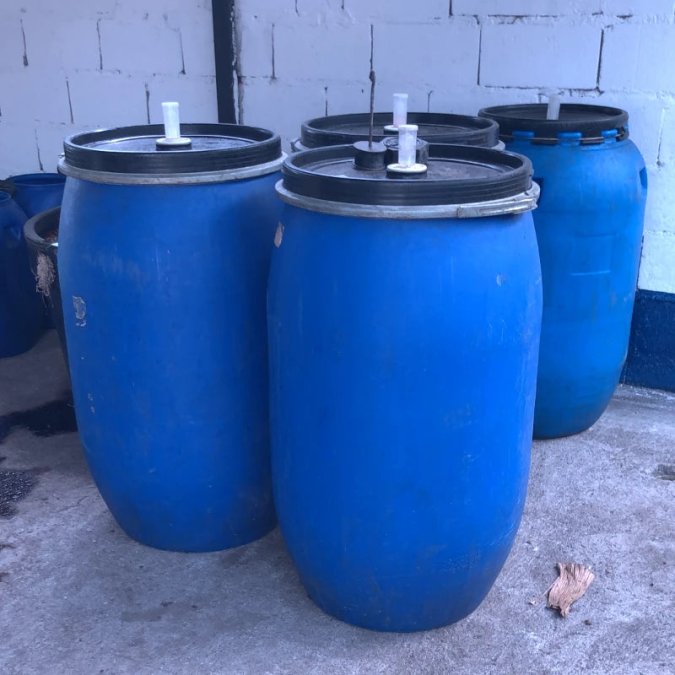
Microbes break down sugars and acids in the mucilage. With oxygen, aerobic microorganisms drive the process; without it, sealed-tank microbes produce carbon dioxide and pressure that push the reaction down paths a washed process never reaches.
Anaerobic vs Aerobic Coffee Fermentation: Key Differences
The core difference is oxygen. Aerobic fermentation happens in open air, where oxygen feeds yeast and bacteria that produce clean, bright, predictable acids (peer-reviewed research). Anaerobic fermentation happens in sealed tanks, where the absence of oxygen forces a slower, pressure-driven process that builds esters and volatile compounds for wine-like and tropical notes.
They diverge on four fronts:
- Oxygen exposure: Aerobic is open to air; anaerobic is sealed and oxygen-deprived.
- Microbial activity: Aerobic favors aerobic yeasts and acetic acid bacteria; anaerobic favors lactic acid bacteria and anaerobic yeasts.
- Fermentation duration: Aerobic runs 12 to 72 hours; anaerobic often extends to 96 hours or more (peer-reviewed research).
A washed process sits closer to the aerobic end: clean, controlled, focused on clarity. A natural process dries the cherry whole and lets fermentation unfold more loosely. Anaerobic lots sit at the far end, where every variable is managed.
The trade-off is risk: sealed tanks can go wrong fast if temperature drifts or the seal fails, producing funky, undrinkable cups. Held to the hour and degree, the result tastes deliberate rather than accidental.
Anaerobic's Colombia Guamo · 36+96h Anaerobic Natural is a clean example: a Caturra lot fermented 36 hours sealed in GrainPro, then 96 hours in hermetic tanks at 23°C, 132 hours total.

Anaerobic Coffee Flavor Profile and How to Brew It
The anaerobic coffee flavor profile is defined by intensity: ripe tropical fruit, wine-like acidity, berry compote, and a heavier, syrupy body than a washed counterpart. The best lots stay clean underneath the fruit; the worst taste like the tank, not the coffee.
Fermentation duration and temperature, plus the roast, drive that difference: a light-medium development preserves the delicate fruit; a darker roast can bury it or turn it muddy.
Brewing anaerobic coffee at home takes three adjustments:
- Grind slightly coarser. Anaerobic beans are denser and more soluble; a coarser grind prevents over-extraction of the fermented notes.
- Lower the water temperature. Start around 200°F (93°C) rather than a full boil, which can amplify boozy or acetic edges (sca.coffee).
- Shorten the ratio. Start at 1:16; push toward 1:15 if the cup tastes thin.
A common mistake is treating an anaerobic lot like a standard washed coffee. Adjust one variable at a time, taste, and record what you changed.
For a side-by-side comparison, Anaerobic's The Beyond set pairs Ethiopia Bursa G1 Anaerobic with the washed version from the same producer, Mulugeta Muntasha. The Ethiopia Bursa · Anaerobic Natural G1 runs $32.00 and shows papaya, strawberry wine, and watermelon from 96 hours sealed oxygen-free.

Frequently Asked Questions
What is the main difference between anaerobic and aerobic coffee fermentation?
Anaerobic fermentation seals coffee cherries in oxygen-free tanks, while aerobic fermentation exposes them to oxygen during processing. In anaerobic conditions, yeast and bacteria produce different flavor compounds than in open-air fermentation. This is why anaerobic coffees often show syrupy, fruit-forward notes like strawberry wine or papaya, while aerobic coffees tend toward cleaner, more predictable acidity and body.
How does oxygen exposure affect the flavor profile of coffee?
Oxygen drives microbial activity in different directions. When oxygen is present, aerobic bacteria and fungi dominate, producing brighter acidity and cleaner cup profiles. When oxygen is removed in sealed tanks, anaerobic microbes take over, generating carbon dioxide and pressure that push fruit-forward, exotic notes into the bean. The longer the oxygen-deprived fermentation, the more intense those flavors become.
Does fermentation method change how I should dial in my espresso?
Yes. Anaerobic coffees tend to be denser and more soluble, so they often need a coarser grind and slightly lower brew temperature to avoid over-extraction. Start with a 1:2 ratio and adjust grind size first. Aerobic or washed coffees usually dial in with standard settings. If your anaerobic shot tastes muddy or funky, grind coarser before changing anything else.