Table of Contents
- Why Direct Trade Coffee Sourcing Matters for Flavor and Farmers
- Direct Trade vs Fair Trade Coffee: Key Differences
- The Impact of Anaerobic Fermentation on Coffee Quality
- Frequently Asked Questions
Last Updated: September 27, 2026
Why Direct Trade Coffee Sourcing Matters for Flavor and Farmers
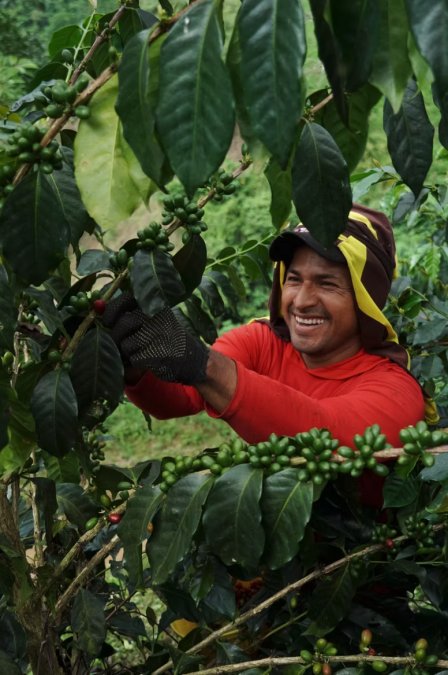
Direct trade coffee is a sourcing model in which a roaster buys green beans straight from a producer or estate, usually at a negotiated price above the commodity market, with both parties sharing information about how the coffee was grown and processed. Producers gain fair compensation and a repeat buyer; roasters gain traceability, fresher lots, and quality control.
At Anaerobic, that model is the premise: we buy single-origin lots from named producers, roast in small batches, and let controlled fermentation do the flavor work.
Direct Trade vs Fair Trade Coffee: Key Differences
Fair trade coffee is a third-party certification that sets a floor price and social premium for cooperatives, verified by an outside auditor. Direct trade coffee skips the certification body and relies on the roaster's relationship with the producer, usually meaning higher premiums but less external verification.
Model |
How Price Is Set |
Who Verifies It |
Typical Strength |
|---|---|---|---|
Fair trade |
Certification floor plus social premium |
Third-party certifier |
Auditable, cooperative-scale |
Direct trade |
Negotiated, often quality-linked |
The roaster's own reporting |
Shorter chain, higher ceilings |
That second column is where the argument lives. A roaster can claim anything about a farm visit. A certifier cannot.
The Impact of Anaerobic Fermentation on Coffee Quality
Anaerobic fermentation seals whole or depulped coffee cherries in an oxygen-free tank for a set number of hours, letting controlled microbial activity develop flavor compounds the standard washed process does not produce. The result is distinct fruit and spice notes rather than the flat, nutty profile of commodity coffee.
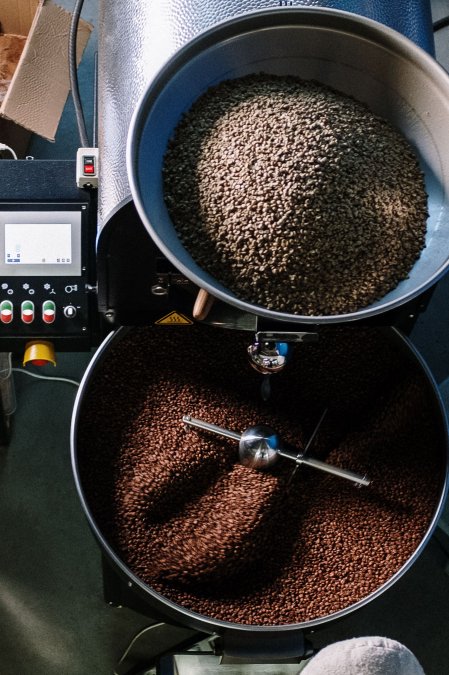
Fermentation is unforgiving. A tank left sealed too long turns funky and undrinkable. This is why traceability matters more here than anywhere else in the specialty coffee supply chain: you cannot troubleshoot a fermentation profile without knowing who ran the tank and for how long.
The challenge with direct trade coffee is that the label is unregulated, so anyone can print it on a bag without visiting a farm. Anaerobic approaches this differently: we name our producer partners, publish the fermentation details, and let the cup speak for the relationship. Start with The Beyond, which holds one producer's heirloom variety steady across an anaerobic and a washed process so you can taste exactly what controlled fermentation adds. Get started with Anaerobic and taste the difference transparency makes.

Frequently Asked Questions
What is direct trade in coffee?
Direct trade coffee means a roaster buys green coffee beans straight from the producer or estate, skipping middlemen and commodity markets. The roaster and farmer agree on price, quality standards, and often multi-year contracts. This gives farmers higher and more predictable pay while giving roasters more control over harvesting practices and quality control. It also builds a roaster-producer relationship based on trust and shared goals rather than a one-off transaction.
How does direct trade differ from Fair Trade certification?
Fair Trade relies on third-party certification and sets a minimum price floor for commodity coffee. Direct trade skips the certification body and instead builds a direct partnership between roaster and producer, often paying above Fair Trade minimums based on cup quality. Fair Trade focuses on broad social impact and economic stability for cooperatives. Direct trade focuses on traceability, price transparency, and long-term contracts with specific farms or estates.
What are the primary benefits of direct trade for coffee farmers?
Farmers get fair compensation and price premiums that reflect cup quality rather than commodity market rates. Long-term contracts create economic stability, letting producers invest in better harvesting practices, equipment, and worker pay. Direct feedback from roasters helps farmers improve quality control and try new processing methods, like anaerobic fermentation. This direct partnership also opens market access that would otherwise require middlemen, keeping more of the value chain in the producer's hands.