Table of Contents
- What Is Controlled Fermentation in Coffee?
- How Fermented Coffee Differs from Traditional Processing
- Anaerobic Coffee Processing Benefits Explained
- The Cost-Benefit Analysis for Home Brewers
- How to Brew Experimental Process Coffee at Home
- Pros and Cons of Fermented Coffee
- Conclusion
- Frequently Asked Questions
Last Updated: September 25, 2026
What Is Controlled Fermentation in Coffee?
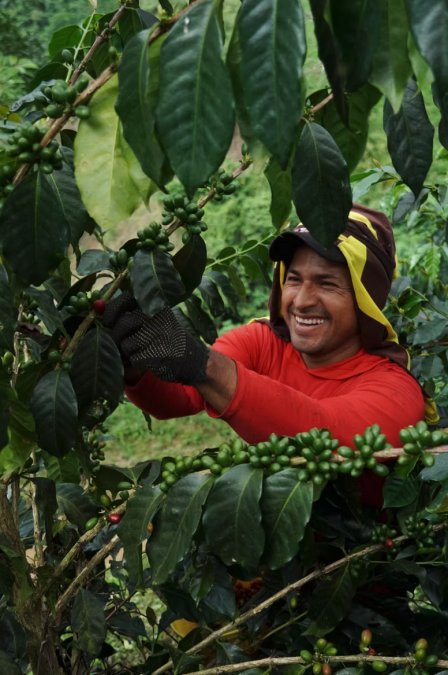
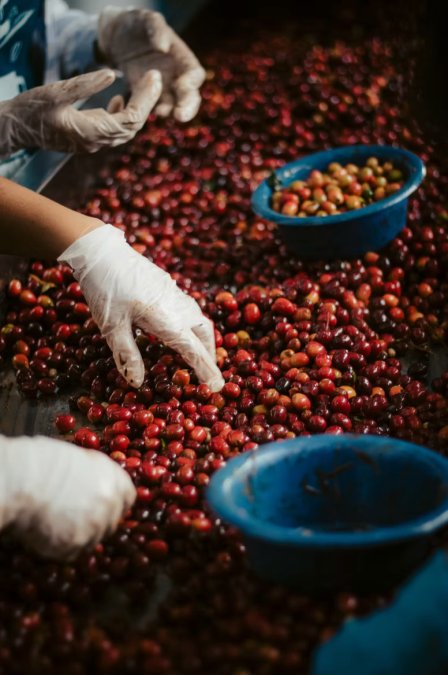
Controlled fermentation in coffee is the deliberate process of sealing green coffee cherries or beans in oxygen-free environments to trigger microbial activity and flavor development. Unlike traditional processing where fermentation happens incidentally, controlled fermentation uses precise temperature, duration, and humidity to engineer specific taste outcomes. At Anaerobic, we partner with producers who employ this technique to unlock flavor profiles that reveal the bean's origin characteristics rather than mask them.
The process typically involves sealing whole cherries or depulped beans in hermetic tanks or GrainPro bags for 36 to 96+ hours. Yeast strains and bacteria consume sugars in the bean, creating organic acids and compounds that shift the final cup profile (Integrated microbial-metabolomic analysis reveals how fermentation contributes to the...). The result is a more intentional sensory experience, one where the producer controls variables like temperature down to the degree.
This differs fundamentally from natural or washed processing, where fermentation occurs as a byproduct of drying. In controlled fermentation, every hour and every degree matters. The technique has gained traction among specialty coffee roasters and home baristas seeking experimental lots with distinct, predictable flavor innovation.
How Fermented Coffee Differs from Traditional Processing
Fermented coffee and traditionally processed coffee take fundamentally different paths from cherry to cup. Traditional methods, washed, natural, or honey process, rely on environmental conditions and time. Fermented coffee, by contrast, uses sealed environments and controlled variables to engineer flavor outcomes. The distinction matters because it changes what you taste and why you're paying a premium.
Flavor Profile Characteristics
Fermented coffee typically exhibits fruit-forward, wine-like, different sweetness notes that don't appear in washed coffees from the same origin. Where a washed Ethiopian might show apricot and honeysuckle, the fermented version of the same bean can deliver papaya, strawberry wine, and watermelon. These aren't flavors added to the coffee, they're compounds created by microbial activity during fermentation.
The sensory profile becomes more complex and sometimes more polarizing. Some drinkers find fermented coffee's intensity compelling; others find it overpowering. The key is that the flavor is intentional, not accidental. A well-executed fermented lot tastes deliberate. A poorly controlled can tastes funky in the worst way, like something went wrong rather than something was engineered.
Distinction Between Natural and Co-Fermented Methods
Natural processing ferments the entire cherry, skin, fruit, and bean together, for weeks in the sun. Co-fermented (or anaerobic) processing removes the fruit first, then seals the bean alone in a controlled environment. The difference is dramatic: natural fermentation is wild and unpredictable; anaerobic fermentation is measured and reproducible.
Natural coffees tend toward earthy, fruity, sometimes more expressive profiles because the fermentation happens in open air with no temperature control. Anaerobic coffees show more precision because the sealed environment keeps variables constant. If a natural lot ferments at 70°F one day and 85°F the next, the flavor shifts. An anaerobic lot held at a steady 23°C (73°F) for 96 hours produces consistent results batch after batch.
This consistency is what allows producers to compete in cupping competitions and what justifies the higher price point. You're not buying a gamble; you're buying a known quantity.
Anaerobic Coffee Processing Benefits Explained
Anaerobic processing benefits producers and consumers differently. For producers, the technique unlocks market premiums and competitive advantages. For home brewers, it delivers sensory complexity and consistency that traditional processing struggles to match.
From a producer's perspective, anaerobic fermentation is a value-added processing method. It transforms commodity coffee into specialty or experimental lots that command higher prices. A producer like Mulugeta Muntasha can take the same 74158 heirloom varietal, process half of it washed and half anaerobic, and sell the fermented version for a premium based on its distinct flavor profile and Cup of Excellence recognition.
For the home brewer, the benefit is access to flavor profiles that simply don't exist in traditional processing.
The Cost-Benefit Analysis for Home Brewers
Whether is fermented coffee worth the higher price depends on three factors: your brewing setup, your palate, and your baseline expectations.
Pricing Breakdown and Value Proposition
Anaerobic offers fermented lots like Ethiopia Bursa Anaerobic Natural G1 at $32.00 per bag and Colombia Guamo at $32.00 per bag. A discovery set like The Beyond, which includes both fermented and traditionally processed lots from the same origin, costs $81.80 for three 10-ounce bags.

Quality Consistency and Producer Transparency
Fermented coffee's value also depends on producer transparency. Not all fermented coffees are created equal, and not all roasters source from producers who actually control the fermentation process. Some roasters buy fermented beans from brokers without knowing the specifics of how they were processed.
How to Brew Experimental Process Coffee at Home
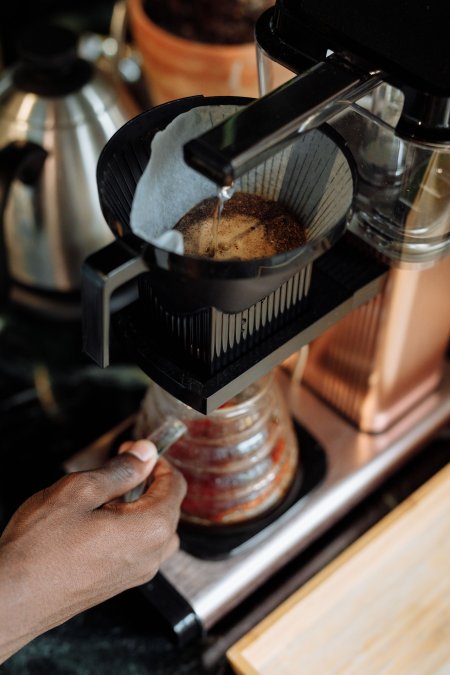
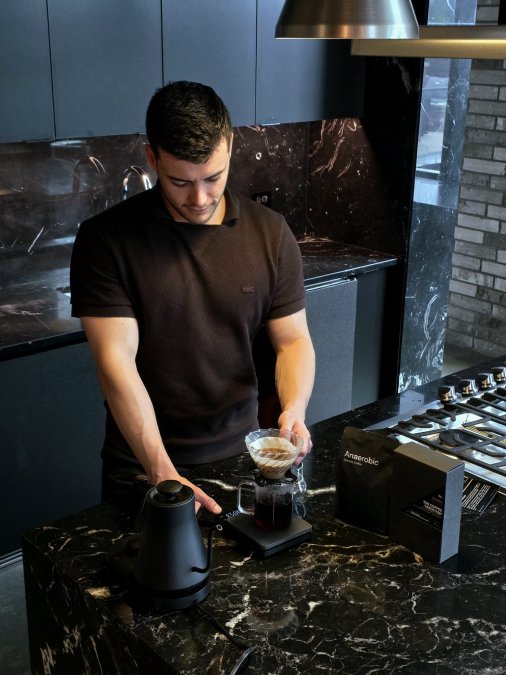
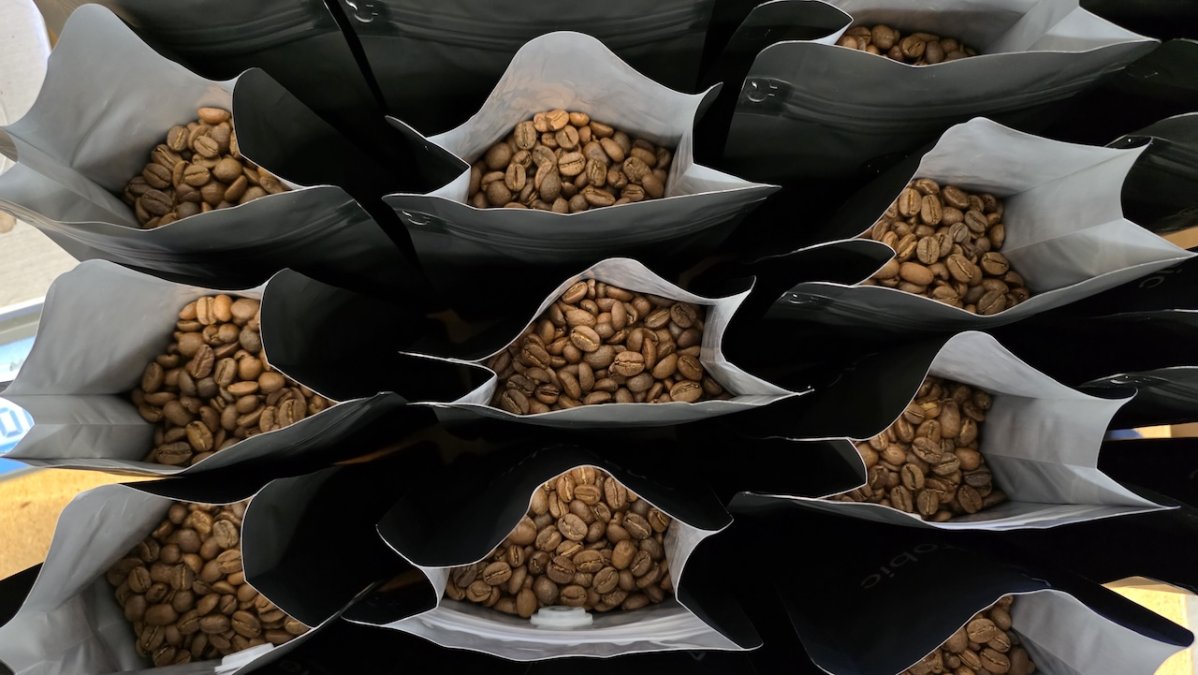
Brewing fermented coffee requires the same discipline that went into producing it. The technique matters more with fermented beans because the flavor complexity is fragile, poor extraction erases the work the producer did.
Pros and Cons of Fermented Coffee
Fermented coffee is not for everyone, and that's the honest assessment. It has real strengths and real limitations.
When Fermented Coffee Delivers Real Value
Fermented coffee shines for home baristas with decent brewing equipment and a developed palate. If you own a burr grinder, a scale, and a pour-over or Aeropress, you have the tools to extract fermented coffee properly. If you've been drinking specialty coffee for a year or more, your palate is trained enough to notice the difference between a washed Ethiopian and an anaerobic one.
Realistic Limitations and Expectations
Fermented coffee has a significant limitation: consistency across batches. Even with controlled fermentation, seasonal variation, crop year differences, and producer skill mean no two harvests taste identical. If you love a fermented lot and want to reorder, you may find the next harvest tastes noticeably different. This is a limitation if you're seeking predictability.
Aspect |
Fermented Coffee |
Traditional Single-Origin |
|---|---|---|
Flavor Profile |
Fruit-forward, wine-like, complex |
Origin-forward, clean, balanced |
Price per Cup |
$2.65-$3.20 |
$1.80-$2.50 |
Brewing Sensitivity |
High (technique matters significantly) |
Moderate (forgiving of small errors) |
Batch Consistency |
Variable (seasonal, year-to-year) |
More consistent |
Best Brewing Method |
Pour-over, Aeropress, espresso |
Any method, including drip |
Ideal Drinker |
Experienced palate, experimental mindset |
All levels |
Transparency Requirement |
Critical (know your producer) |
Important but secondary |
Conclusion
Fermented coffee is fermented coffee worth the higher price if three conditions align: you have the brewing equipment to extract it properly, your palate is developed enough to appreciate the difference, and you value transparency and intentional sourcing. For home baristas already investing in specialty coffee, the premium is justified. For casual drinkers or those with basic brewing setups, traditional single-origin coffees deliver better value.
Frequently Asked Questions
How does controlled fermentation change the flavor profile of coffee?
Controlled fermentation intensifies and clarifies fruit-forward notes by sealing oxygen-free conditions, allowing yeast and microbes to develop specific flavor compounds. In anaerobic fermentation, cherries are sealed for precise hours (often 96 hours or longer) at steady temperatures. This produces distinct sensory characteristics: papaya and strawberry wine in Ethiopian lots, or cocoa and red cherry in Colombian varieties. Unlike uncontrolled fermentation, which can produce off-flavors or 'funk,' controlled methods create intentional, repeatable flavor profiles that home brewers can reliably extract.
Is fermented coffee better for you than traditionally processed coffee?
Fermented coffee is not inherently 'better for you' in nutritional or health terms—both fermented and traditional coffees contain similar caffeine and antioxidants. The difference is sensory and experiential. Fermented coffee offers elevated flavor complexity and clarity when processed with precision, which appeals to coffee enthusiasts seeking intentional, ritualistic brewing experiences. If you enjoy exploring distinct flavor notes and are willing to invest in quality equipment and higher-priced beans, fermented coffee delivers measurable value in taste. For casual drinkers, the premium may not justify the cost.
What equipment do I need to brew experimental process coffee properly?
You don't need specialized equipment, but consistency matters. A burr grinder (conical or flat) ensures even particle size for controlled extraction. A scale (accurate to 0.1g) lets you dial in precise coffee-to-water ratios. A gooseneck kettle or pour-over dripper gives you control over water temperature and saturation. Fermented coffees are roasted light-to-medium to preserve delicate fruit flavors, so water temperature should stay between 195–205°F. Most home brewers use standard pour-overs, French presses, or Aeropress. The key is consistency in grinding, dosing, and brewing time—not expensive gear.
Why does fermented coffee cost more than standard specialty coffee?
Fermented coffee commands a premium because controlled fermentation requires precision infrastructure, extended processing time, and skilled producer oversight. Producers must maintain sealed tanks, monitor temperature and humidity, and time fermentation windows to the hour. Experimental lots are smaller, single-origin batches with higher per-unit processing costs. Additionally, roasters who source these lots often work directly with producers, ensuring transparency and quality control. At Anaerobic, fermented single-origin beans start at $32 per 10oz bag—higher than commodity coffee but comparable to other specialty roasters offering similar quality and traceability.
How do I know if a fermented coffee will actually taste good before buying?
Look for specific producer information, cupping scores, and transparent processing details. Reputable roasters list altitude, varietal, fermentation duration, temperature, and tasting notes. Discovery sets like Anaerobic's 'The Beyond' ($81.80) let you taste two processes from the same origin side-by-side, so you can directly evaluate what fermentation adds. Start with well-documented lots from producers with Cup of Excellence recognition or third-party verification. Avoid coffees described only as 'funky' or 'experimental' without specifics. Read customer reviews from other home brewers. If a roaster won't disclose fermentation methods or producer names, that's a red flag.