Table of Contents
- How Single Origin Coffee Subscriptions Work
- Benefits of Anaerobic Fermentation Coffee
- Single Origin vs Blend Coffee: Why It Matters for Subscribers
- Best Small Batch Coffee Online: What to Look For
- Coffee Subscription Frequency Guide: Finding Your Rhythm
- Cost Savings, Storage, and Environmental Impact
- Conclusion
- Frequently Asked Questions
Last Updated: September 21, 2026
How Single Origin Coffee Subscriptions Work
A single origin coffee subscription is a recurring delivery of coffee from one named farm, producer, or region, roasted to order and shipped on a schedule you control. At Anaerobic, we build ours around controlled fermentation lots and transparent producer relationships, which is why the category has moved well past the old "surprise bag of beans" model.
Benefits of Anaerobic Fermentation Coffee
Anaerobic fermentation coffee delivers bigger, more distinct fruit flavors than conventional processing, and it does so predictably rather than by accident. The reason is oxygen control.
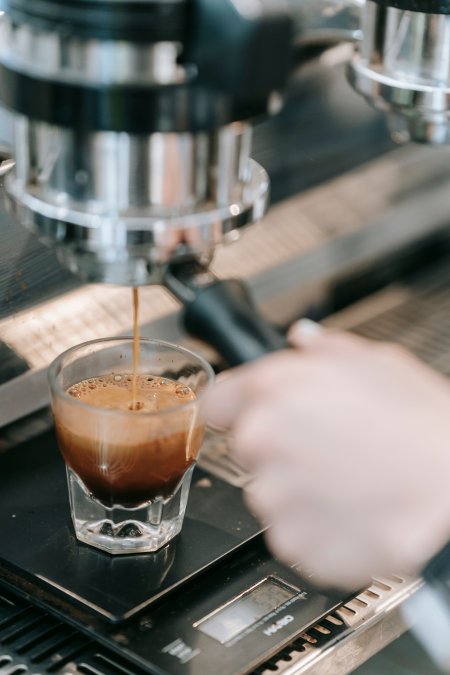
Controlled Fermentation vs. Traditional Processing
Traditional natural processing dries whole cherries on beds and lets ambient conditions decide the outcome. Controlled fermentation seals the cherries and holds the variables steady. A common mistake is assuming "anaerobic" automatically means "funky." It doesn't. Control is the whole point.
Lot |
Process |
Tasting Notes |
Price |
|---|---|---|---|
Ethiopia Bursa · Washed G1 |
Washed, Grade 1 |
Apricot, honeysuckle, raspberry |
$32.00 |
Ethiopia Bursa · Anaerobic Natural G1 |
96h sealed, raised beds |
Papaya, strawberry wine, watermelon |
$32.00 |
Colombia Guamo |
36+96h two-stage anaerobic |
Cocoa, red cherry, blueberry |
$32.00 |
Single Origin vs Blend Coffee: Why It Matters for Subscribers
Single origin coffee is coffee from one defined source, whether that's a single farm, a producer group, or a specific lot. A blend combines beans from multiple origins to hit a consistent flavor target. For subscribers, the difference is whether you're buying a repeatable product or an evolving one.

Best Small Batch Coffee Online: What to Look For
The best small batch coffee online is roasted to order, dated on the bag, and traceable to a named producer. Everything else is marketing.
- Roast date, not best-by date. Freshly roasted coffee peaks a few days after roasting and fades fast.
- Named producers. "Direct trade" means nothing without a name and a region attached.
- Stated process detail. "Anaerobic" alone is vague. Hours, temperature, and tank type tell you whether the producer was measuring or guessing.
- Small roast rounds. Coffee sealed the same day it's roasted holds its character far longer.
- Cupping scores where available. An importer score gives you a reference point.
Traceability and Producer Transparency
Traceability is the practice of documenting where a coffee was grown, who processed it, and how. Ask any roaster three questions: Which farm? Which process, held for how long? What did the importer score it?
Coffee Subscription Frequency Guide: Finding Your Rhythm
Most households should choose a delivery frequency that matches their actual consumption, not their aspirational consumption. A good rule: one 10oz bag per person every two weeks for daily drinkers, monthly for casual drinkers. The coffee subscription frequency guide below is the one we give new subscribers:
Drinker Profile |
Cups Per Day |
10oz Bags Needed |
Suggested Frequency |
|---|---|---|---|
Casual |
1 |
1 |
Every 4 weeks |
Daily |
2 |
2 |
Every 2 weeks |
Enthusiast |
3-4 |
3-4 |
Every 2 weeks |
Two-person household |
4-6 |
4-5 |
Every 2 weeks |
Understanding Roast Profiles Before You Pick a Cadence
Roast level changes how fast a bag peaks and how long it stays drinkable, which is why it belongs in the frequency decision, not just the flavor decision.
- Light roasts preserve origin character, the fruit, florals, and acidity that make single origin worth buying. They typically peak 7-14 days off roast and are less forgiving of a coarse grind or a low brew temperature.
- Medium roasts balance origin character with caramelized sweetness. They peak around 5-10 days off roast and are the easiest starting point if you're still dialing in your brewer.
- Dark roasts trade origin nuance for roast-driven notes like dark chocolate and smoke. They taste consistent almost immediately but flatten out fastest, so a dark-roast drinker often needs a tighter delivery window than a light-roast drinker.
What to Expect in Your Monthly Shipment
Here's the pattern most subscribers see:
- Whole beans, roasted to order. Ground coffee stales within hours of grinding, so whole bean is the default unless you request otherwise.
- A roast date stamp, not a best-by date. The roast date is the only number that tells you anything useful about freshness.
- Origin and process cards. Producer name, region, varietal, process, and the fermentation window where applicable.
- Tasting notes and a brew suggestion. A starting grind size and ratio saves you a bag of trial and error.
- A rotation of lots. Single origin subscriptions change with the harvest, so the coffee you loved in March may not return until next season.
That last point is the one new subscribers underestimate. Single origin is seasonal by nature. If you find a lot you love, buy enough to bridge the gap until the next harvest rather than assuming it will be restocked on demand.
Cost Savings, Storage, and Environmental Impact
Subscription plans typically save 10-15% off retail, and free shipping usually kicks in above a set order threshold. That's the straightforward math. A 50g sample runs $12 and gives you three or four brews, which is enough to know whether a lot is worth a full bag.
Storage and Freshness Longevity
Most subscription advice stops at "keep it airtight."
- Keep beans whole until brew day. Ground coffee loses most of its aromatic compounds within hours. Grind per cup, not per bag.
- Use an airtight, opaque container. A one-way valve lets carbon dioxide escape without letting oxygen in. A clear jar on a sunny counter defeats the purpose.
- Store at room temperature, away from the stove. Heat and light accelerate staling faster than time alone.
- Skip the refrigerator. Condensation and odor transfer do more damage than the cold helps.
- Freeze only for long holds. If you're storing more than a month's supply, freeze in the original valve bag or a vacuum-sealed portion, and thaw the entire portion at once. Repeatedly pulling a bag in and out of the freezer introduces moisture every cycle.
A practical workflow: keep one bag in the counter container for daily use, and freeze the rest in single-bag portions. Label each with the roast date so you rotate oldest-first.
The Environmental Angle Most Subscription Guides Skip
Convenience is the headline benefit of a subscription, but shipping has a footprint, and pretending otherwise isn't useful. The honest framing is that a subscription can be lower-impact or higher-impact depending on three variables:
- Shipment consolidation. One box with four bags carries a fraction of the per-pound shipping emissions of four separate boxes. If your roaster lets you combine orders or ship on a longer cycle, that's a real reduction, not a marketing line.
- Packaging material. Recyclable and compostable mailers, paper tape, and minimal interior plastic reduce the waste stream. Ask what the bag itself is made of, many "recyclable" coffee bags are multi-material laminates that most curbside programs won't accept.
- Roast-to-order vs. warehouse stock. Coffee roasted to order and shipped directly avoids the warehousing and redistribution steps that retail bags pass through, which trims both spoilage and handling.
Conclusion
The hard part of a single origin coffee subscription isn't finding one.
Frequently Asked Questions
What are the primary benefits of a single origin coffee subscription?
A single origin coffee subscription delivers freshly roasted beans from one specific farm or region, so you taste the distinct character of that origin rather than a blend. You get traceability back to the producer, seasonal harvests that change through the year, and the chance to build a repeatable brewing routine around beans you can actually identify. Many subscriptions also include tasting notes, roast profiles, and origin details that help you dial in your equipment and compare lots side by side.
How does single origin coffee differ from standard coffee blends?
Blends combine beans from multiple origins to create a consistent, repeatable flavor year-round. Single origin coffee comes from one producer, region, or lot, so its flavor shifts with the harvest, altitude, bean variety, and processing method. That means more flavor complexity and origin character in the cup, but less predictability. If you want to taste how fermentation, terroir, or processing changes a coffee, single origin is the only way to isolate those variables.
How do subscription services ensure coffee freshness?
The best small batch coffee online is roasted to order, not pulled from warehouse stock. Anaerobic roasts in small rounds and seals bags the same day, then ships within 48 hours. Most lots rest 5-7 days before shipping so the roast has time to settle. That schedule matters because coffee peaks within two to four weeks of roasting. Store beans in an airtight container away from light, heat, and moisture, and grind right before brewing to protect the flavors the fermentation built.
Is a specialty coffee subscription worth the cost for home brewing?
It depends on how much you value freshness, traceability, and variety. A single 10oz bag from Anaerobic costs $32, and Reserve lots like Colombia Papayo Jungle or Colombia Nativo Nogales run $45. Subscriptions typically save 10-15% and include free shipping on orders over $50. If you already brew at home with decent equipment, a subscription replaces guesswork with a curated selection and delivery frequency you control. If you drink one cup a week, a 50g sample at $12 is the cheaper way to explore.
What should I look for when choosing a small-batch coffee subscription?
Look for named producers, specific lots, and processing details, not vague origin labels. Check the roast date, shipping schedule, and cancellation policy before you commit. A flexible subscription should let you pause, skip, or switch lots without penalties. Anaerobic lists producer names like Mulugeta Muntasha and Norman Mukuru, fermentation hours, altitude, and varietal on every bag, so you can trace exactly what you are drinking and reorder the lots you love.
Choosing a coffee subscription comes down to one question: do you want a reliable cup or an interesting one? Anaerobic exists for the second answer. Our lots are sourced from named producers, fermented under controlled conditions, and roasted in small batches to reveal what each origin actually tastes like. Subscriptions save 10-15%, ship free over $50, and you can pause, switch, or cancel at any time. Start your journey with Anaerobic and taste the difference control makes.