Table of Contents
- Why Home Brewers Look Beyond Sey Coffee
- What Makes Anaerobic Process Coffee Beans Different
- How to Choose Specialty Coffee Beans for Your Setup
- Best Light Roast Coffee Subscriptions for Clarity Seekers
- Sey Coffee Alternatives Worth Brewing: Top Picks
- Water Chemistry and Grind Size: The Two Variables Most Brewers Skip
- Conclusion: Finding Your Next Daily Cup
- Frequently Asked Questions
Last Updated: September 16, 2026
Why Home Brewers Look Beyond Sey Coffee
Home brewers seeking sey coffee alternatives for home brewers want fruit-forward, experimentally processed coffee that tastes deliberate rather than accidental. Sey built its reputation on clarity and restraint, but a specific kind of drinker outgrows it.
That drinker wants controlled fermentation, not just clean washed lots, to taste what 96 hours sealed oxygen-free does to a cherry. This guide covers the alternatives worth brewing in 2026, how to choose beans, and the two variables most brewers skip.
What Makes Anaerobic Process Coffee Beans Different
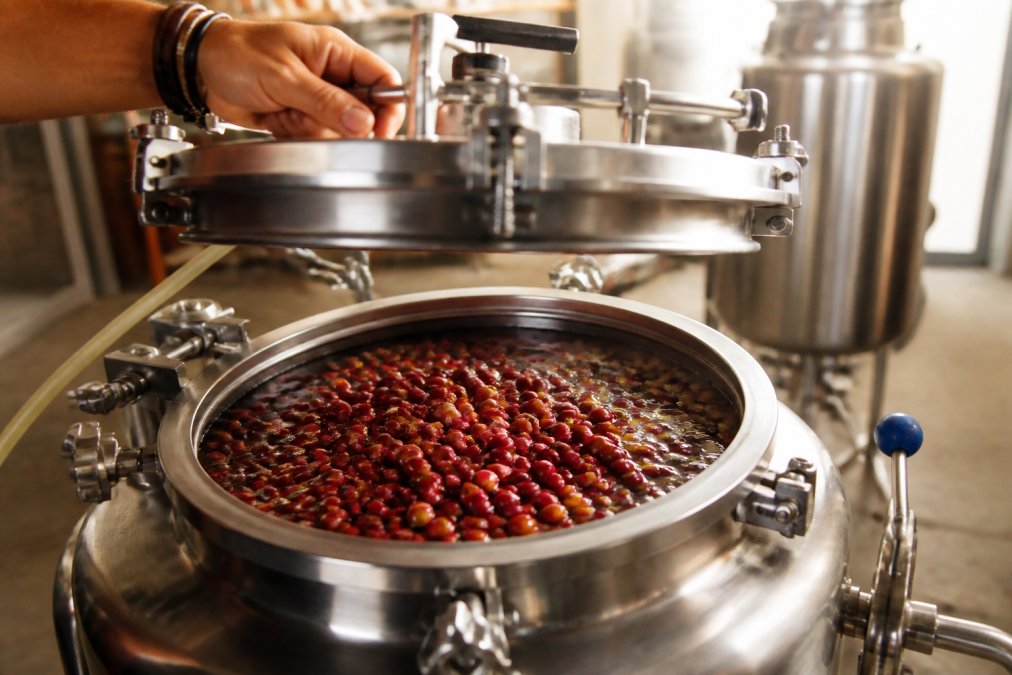
Anaerobic process coffee beans are whole cherries fermented in sealed, oxygen-free tanks for a set number of hours at a controlled temperature. Removing oxygen changes which microorganisms drive the ferment, shifting flavor toward ripe fruit, wine, and spice rather than washed coffee's clean acidity.
The key word is controlled. Many producers seal cherries and hope. Others log the hours and hold the temperature.
Washed, Natural, and Anaerobic: The Flavor Divide
- Washed: fruit removed before drying. Clean, bright, varietal-forward. Apricot and honeysuckle rather than jam.
- Natural: cherries dried whole. Sweeter and heavier, but the ferment runs on whatever yeast landed on the fruit.
- Anaerobic: cherries sealed and held. The ferment is directed, so fruit flavors build on purpose.
A washed Ethiopian tastes like the farm. An anaerobic Ethiopian tastes like the farm with the volume turned up.
How to Choose Specialty Coffee Beans for Your Setup
Learning how to choose specialty coffee beans comes down to four checks: roast level against your brewer, roast date against your calendar, process against your palate, and origin against the flavor you want.
Start with freshness. Look for roast date, not a best-by stamp, a bag with no roast date tells you nothing. Roasters who ship direct often roast and ship within 48 hours, giving you a longer useful window than weekly bulk roasting. Most home brewers find a light roast peaks between 7 and 21 days off roast for filter, while espresso settles in around 10 to 25 days. Past roughly six weeks, even a well-stored bag tastes flat.
Match Roast Level to Your Brewing Method
Light roast rewards precision and punishes sloppiness. It holds the most origin character, which is why it's harder to extract evenly: lighter roasts are denser and less porous, so water struggles to pull compounds out, while darker roasts give up solubles fast.
Brewing Method |
Best Roast Level |
Why It Works |
|---|---|---|
Pour over |
Light to light-medium |
Highlights acidity and floral notes |
Espresso |
Medium to light-medium |
Easier to extract without channeling |
Immersion |
Medium |
Forgives uneven grind |
Cold brew |
Medium to dark |
Sweetness carries through long extraction |
Coming from a medium-dark drip habit, expect light roasts to taste thin for the first week. That's the roast, not a defect, give your palate a few brews to recalibrate.
Read the Process Before You Read the Tasting Notes
Tasting notes describe what a coffee can taste like when brewed well. The processing method tells you what cup to expect before you open the bag.
- Washed: fruit removed before drying. Clean, bright, varietal-forward.
Let Origin Narrow the Field
Once you know your roast level and process, origin tells you which flavor family you're buying.
Store It Like It Matters
Best Light Roast Coffee Subscriptions for Clarity Seekers
The best light roast coffee subscriptions share three traits: small-batch roasting, fast shipping, and a named producer.
Sey Coffee Alternatives Worth Brewing: Top Picks
The best Sey alternatives for home brewers treat fermentation as a measured variable.
The Beyond: One Producer, Two Processes
The Beyond is the cleanest way to understand what fermentation adds.

The Cellar: Rare Microlots Side by Side
The Cellar sets two anaerobic benchmarks against a Reserve microlot: Colombia Papayo Jungle, Uganda Coffee Yards 96h, and Colombia Natural Guamo, sold out and now shipping with Ethiopia Bursa Anaerobic G1 in its place.

Single Lots for Dialing In Your Palate
- Colombia Guamo, $32.00. Caturra, two-stage anaerobic natural: a 36-hour sealed pre-ferment then 96 hours at 23°C. Cocoa, red cherry, blueberry. The most approachable entry point.
- Colombia Nativo Nogales, $45.00. A Reserve lot from Finca Los Nogales, fermented on the farm's own mosto starter at 18°C for 96 hours. Banana, rose, candied citrus.
- Colombia Papayo Jungle, $45.00. Papayo, a cultivar rare enough that the lot is named after it. Strawberry, mango, pomegranate.
- Uganda Coffee Yards 48h, $32.00. Chocolate fudge, banana flambé, toffee. The dessert end of the spectrum.
- Uganda Coffee Yards 96h, $32.00. Same farms, same varieties, same method. Only the clock moved. Guava, overripe peach, mulled wine.
- Ethiopia Bursa Anaerobic G1, $32.00. Grade 1 cherries at 2,230 metres. Papaya, strawberry wine, watermelon.
- Coffee Sample, 50 g, $12.00. One lot, or a three-sample Discovery Set. The cheapest way to test before buying a bag.
Water Chemistry and Grind Size: The Two Variables Most Brewers Skip
Most brewers obsess over beans and ignore the two inputs that decide whether those beans taste right: water and grind.

Water Chemistry Sets the Ceiling on Extraction
Water isn't a neutral solvent.
Grind Size Calibration Is Where Origin-Specific Brewing Lives
Here's how that plays out by origin:
- Ethiopian and Kenyan lots (high-grown, dense): start finer than your default. These beans hold their structure and need more surface area to give up their acidity and florals.
- Colombian lots (mid-altitude, medium density): your default setting usually works. Adjust one step finer or coarser based on taste.
- Brazilian and Ugandan lots (lower-grown, softer): start coarser. These extract fast, and a fine grind turns them bitter and drying.
- Anaerobic lots: they sit in a tricky middle. The fermentation has already built sweetness, so over-extracting turns them heavy rather than rich. Start at your default and err coarser if the cup tastes syrupy or muddled.
A practical calibration sequence for a new bag:
- Brew your standard recipe at your standard grind.
- Taste. Sour and thin means grind finer. Bitter and drying means grind coarser.
- Adjust in small increments and re-taste after each change.
- Once balanced, note the setting for that origin.
Conclusion: Finding Your Next Daily Cup
The real challenge with fermented coffee isn't finding it, it's finding lots where the process was measured rather than improvised, so the fruit tastes intentional.
Frequently Asked Questions
What are the best Sey Coffee alternatives for home brewers who prefer anaerobic processes?
Anaerobic offers a focused alternative with controlled fermentation lots like Ethiopia Bursa Anaerobic Natural G1 and Colombia Papayo Jungle. These coffees are sealed oxygen-free for 48 to 96 hours, which builds fruit-forward flavors without the funky unpredictability that turns some brewers off experimental lots. If you want anaerobic process coffee beans with transparent producer sourcing, start with a 50 g sample or a Discovery Set to taste before committing to a full bag.
How do I choose a coffee subscription that matches my brewing style?
Start with your brewing method. Pour over and drip reward light roast coffees with high clarity, while espresso extraction needs a slightly more developed roast to avoid sourness. Next, check roast date freshness: beans shipped within 48 hours of roasting give you a wider window to dial in. Finally, confirm the subscription allows pauses or swaps. Anaerobic's plans let you pause or cancel without penalty and save 10-15% on recurring orders, with free shipping over $50.
Are anaerobic coffees harder to brew than washed coffees?
Not harder, just different. Anaerobic lots tend to have higher bean density and more soluble sugars from extended fermentation, so they can extract faster than a washed coffee at the same grind setting. Start one or two clicks coarser on your grinder and keep water between 200-205°F. If the cup tastes muddy or overripe, coarsen further. If it tastes thin and sour, go finer. Most home brewers dial in a new anaerobic lot within three or four brews.
How do I know a roaster is actually transparent about sourcing?
Look for named producers, specific farms, and lot numbers. Anaerobic lists the producer (Mulugeta Muntasha for Ethiopia Bursa), the region (Arbegona, Sidama), the altitude (2,230 metres), the varietal (74158), and the exact fermentation hours. Vague claims like 'direct trade' without a name attached mean little. If a roaster can tell you which family grew the cherry and how long it fermented, that is real traceability.
What is the best way to try anaerobic process coffee beans without buying a full bag?
Order a 50 g sample for $12. That gives you three or four brews, enough to test grind settings and confirm the flavor profile suits you. The Discovery Sets go further: The Beyond ($81.80) holds three 10 oz bags from one Ethiopian producer across two processes plus a Ugandan reference, while The Cellar ($92.20) sets a Reserve microlot against two anaerobic benchmarks. Both let you taste the fermentation variable in isolation.